English
Views: 0 Author: Site Editor Publish Time: 2026-09-22 Origin: Site


Professionals and facility managers face a persistent dilemma every single day. They must balance the immediate affordability of standard storage against the workflow efficiency of a tailored setup. Everyday operations quickly expose the limits of basic rolling cabinets. We define customization on a broad spectrum. It ranges from modular factory add-ons, like specific drawer configurations, to ground-up engineered builds for specialized equipment. Choosing to customize a tool cart is an investment in workflow efficiency and asset security. It goes far beyond simple aesthetics. Custom builds become justified when the hidden costs of standardized constraints exceed the upfront premium. Lost time, damaged gear, and safety risks constantly chip away at your bottom line. In this guide, you will learn exactly when to upgrade your storage strategy. We will evaluate operational scenarios, highlight common productivity drains, and provide a clear framework for smart decision-making.
Standard rolling cabinets often fail to meet the rigorous demands of specialized environments. Technicians lose valuable minutes every time they leave their primary work bays. They walk across the shop floor just to fetch specific gear. This "travel time" waste destroys daily productivity. A specialized wrench or diagnostic scanner simply might not fit inside standard drawer configurations. Over a year, these wasted minutes compound into thousands of dollars in lost labor.
Asset vulnerability presents another massive liability for facility managers. Standard single-barrel locks offer minimal security. Technicians often house expensive diagnostic laptops, calibrated micrometers, or delicate optical instruments inside their storage units. A basic lock provides false peace of mind. Determined individuals can bypass these locks easily. Custom setups allow managers to integrate advanced electronic keypads or heavy-duty locking bars. You protect your high-value assets effectively.
Standard units also suffer frequent durability and load failures. Technicians routinely overload standard drawers. They pack them full of non-standard heavy equipment. Premature caster failure becomes a common frustration. Drawer tracks bend under excessive weight. Bearings shatter when pushed past their intended limits. These failures create hazardous work environments. Tools spill onto the floor. Heavy cabinets tip over unexpectedly. Customization addresses these physical limitations before catastrophic failures occur.
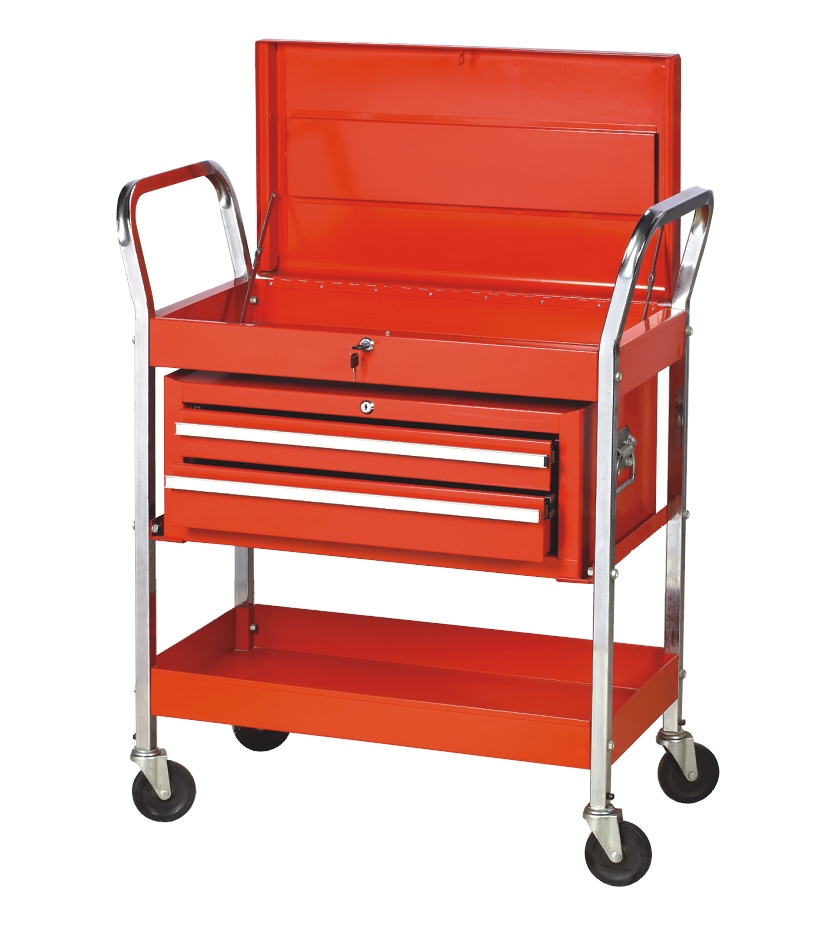
You must evaluate specific structural limits before committing to any custom build. Weight distribution acts as the primary driver for these upgrades. Standard models advertise high load capacities, but these numbers usually reflect static load ratings. A static rating applies only when the cabinet sits completely still. Dynamic load ratings matter much more in real-world scenarios. Pushing a heavily loaded cabinet across uneven concrete places immense stress on the frame. Upgrading tool cart specifications ensures the chassis can handle dynamic movement safely.
Footprint versus capacity represents another crucial evaluation metric. Shop floor space remains at a premium in most modern facilities. You might need deeper or wider drawer profiles, but you cannot sacrifice aisle clearance. Customizing allows you to build upward safely. You can specify wider wheelbases to prevent tipping. You optimize vertical storage without compromising your operational footprint.
Table: Standard vs. Custom Specifications Comparison
| Specification Metric | Standard Model Baseline | Custom Build Potential |
|---|---|---|
| Load Rating Focus | Static limits (stationary) | Dynamic limits (in motion) |
| Drawer Depth | Fixed incremental depths | Engineered to precise equipment sizes |
| Caster Materials | Basic polyurethane | Shock-absorbing, specialized compounds |
| Center of Gravity | Optimized for empty frame | Calculated for specific tool loads |
Custom builds often require a 30 to 60 percent higher upfront premium. You must contrast this initial expense against labor hours saved per technician annually. A specialized unit might save a mechanic twenty minutes per shift. Multiply those twenty minutes by five days a week over an entire year. The resulting labor savings quickly justify the initial custom premium. You stop paying skilled technicians to search for misplaced gear.
Compliance requirements further alter this cost-to-benefit ratio. Aviation maintenance relies heavily on Foreign Object Debris (FOD) prevention. A single misplaced wrench can cause catastrophic engine failure. Facilities require custom shadow boarding to ensure immediate visual accountability. Every item has an exact resting place. Custom foam inserts prevent gear from shifting during transit. Meeting strict industry compliance standards makes customization mandatory rather than optional.
Many hobbyists and budget-conscious managers attempt the DIY approach first. They bolt aftermarket accessories onto standard frames. The lower immediate cost appeals to tight budgets. This approach works adequately for light-duty use or home garages. You can easily attach a magnetic paper towel holder or a generic power strip.
However, DIY modifications carry severe consequences in professional settings. Drilling into a structural frame instantly voids manufacturer warranties. Adding heavy hutches alters the center of gravity drastically. This introduces severe tipping hazards into the workplace. If an altered cabinet tips and injures an employee, the facility faces massive safety liabilities. Uncertified welding weakens the base metal, leading to unexpected collapses under heavy dynamic loads.
Industrial environments demand professional execution. Partnering with a certified B2B supplier eliminates structural guesswork. Scalability becomes seamless. You can request exact replicas across multiple facility locations nationwide. Every technician receives the exact same workflow optimization.
Compliance remains the biggest advantage of professional sourcing. Engineers load-test every customization. They certify the final product to meet rigorous OSHA standards or specific industry safety guidelines. A reputable tool cart supplier will offer modular customization options. They mix and match pre-engineered components efficiently. This hybrid approach significantly reduces custom-fabrication lead times. You get tailored performance without waiting six months for delivery.
Chart: DIY Modifications vs. Supplier Partnerships
| Evaluation Metric | DIY Modifications | Professional B2B Supplier |
|---|---|---|
| Warranty Status | Voided immediately | Maintained and guaranteed |
| Safety Certification | None (High liability risk) | OSHA/Industry compliant |
| Scalability | Inconsistent replication | Exact standardized fleets |
| Center of Gravity | Dangerous imbalances likely | Engineered and load-tested |
Customization delivers immense benefits, but you must navigate several implementation risks carefully. Prolonged lead times often disrupt facility planning. Custom builds require detailed engineering approvals. Manufacturing cycles take much longer than pulling a standard unit off a warehouse shelf. These delays can stall new facility rollouts or technician onboarding schedules. You must factor these timelines into your procurement strategy months in advance.
Facility managers also fall into the trap of over-customization. They design a storage unit so specific to a current project that it loses future utility. Equipment standards change rapidly. A drawer engineered specifically for a 2023 diagnostic tablet becomes useless when the facility upgrades to a larger tablet in 2026. You must balance specific needs against future adaptability. Modular inserts provide a safer alternative to permanent metal dividers.
Mobility versus weight trade-offs constantly challenge custom designs. Managers love adding custom hutches, thick steel plating, and integrated power banks. These additions dramatically increase the tare weight of the unit. A "rolling" cabinet quickly becomes a stationary monolith. If the unit becomes too heavy, one person cannot maneuver it safely. Pushing a heavy load across uneven floors causes severe strain injuries. You must match caster upgrades to any increase in overall tare weight.
Your storage strategy directly impacts daily workflow and facility safety. You should opt for standard models if your tools remain conventional and highly portable. Standard units serve general maintenance tasks perfectly well. However, you must customize when standard models introduce safety risks, efficiency bottlenecks, or security liabilities. Custom setups protect calibrated gear and eliminate daily travel time waste.
Do not guess your operational requirements. Conduct a rigorous 3-day tool usage audit before contacting vendors. Track technician movements and identify exact workflow bottlenecks. Map out your required specifications carefully. Focus heavily on dynamic weight capacities and necessary drawer depths. Armed with exact data, you can request accurate quotes and build a storage solution that actively improves your bottom line.
A: Costs operate on a sliding scale. Adding modular, pre-engineered accessories typically increases the price by 15 to 30 percent. Ground-up fabrication for highly specialized dimensions can cost twice as much as standard models. You must frame this premium against lifecycle longevity and daily labor hours saved to determine true value.
A: Drilling, welding, or cutting the structural frame usually voids manufacturer warranties immediately. To protect your coverage, use only OEM-approved modular accessories. If you require permanent structural changes, you should order custom specifications directly from the manufacturer so they can certify the final product.
A: You must define your dynamic weight capacity first. Identify specific drawer depth requirements for your bulkiest equipment. Specify caster materials based exactly on your shop flooring type to ensure safe mobility. Finally, detail your required locking mechanisms to protect high-value diagnostic tools from theft.