English
Views: 0 Author: Site Editor Publish Time: 2026-09-26 Origin: Site


Procuring industrial surface preparation equipment demands more than simply evaluating machine capabilities. Buyers must also verify how the unit stays protected during harsh transit conditions and daily operation. For industrial procurement teams, understanding these specific packaging protocols indicates vendor reliability directly. Inadequate shipping protection frequently causes compromised structural integrity, shattered viewing glass, or moisture-damaged pneumatic valves. These unexpected delivery issues delay critical project deployments and often invalidate manufacturer warranties entirely.
This comprehensive guide breaks down the essential transit packaging standards required to safeguard your capital investment. We will explore external crating methods, internal shock mounts, and necessary operational protective films. Read on to learn how to inspect your delivery properly and ensure immediate out-of-the-box operational readiness.
Transit Security: High-quality suppliers utilize ISPM 15-certified wooden crating, internal shock mounts, and Vapor Corrosion Inhibitor (VCI) films to prevent transit damage and flash rust.
Component Integrity: Delicate components (regulators, gauges, and moisture separators) require isolated, foam-in-place packaging to ensure out-of-the-box functionality.
Operational Protection: Beyond shipping, "packaging" includes consumable protective films (like Mylar) used to shield cabinet viewing glass from abrasive pitting during use.
Supplier Verification: Always require a documented packaging and freight liability agreement before finalizing a purchase order.
Industrial blasting equipment remains heavy and awkwardly shaped. It contains fragile pneumatic controls highly vulnerable to impact. Poor packaging routines lead directly to misaligned hoppers, cracked structural seals, or dented pressure vessels. When manufacturers cut corners on crating, they pass significant operational risks onto you.
A machine suffering micro-damage during freight rarely meets original sandblaster specifications. For example, it might struggle to maintain optimal PSI levels. You might also notice inconsistent media flow rates during initial testing. These microscopic misalignments in the abrasive metering valve usually stem from unchecked vibrations during cross-country shipping.
Project success demands delivered equipment arriving ready for immediate localized compliance testing. It must deploy operationally without requiring sudden replacement parts. Equipment sitting idle on your receiving dock waiting for replacement regulators halts production schedules. To prevent this, procurement managers must view robust packaging not as a luxury, but as a mandatory technical specification.
Common Mistakes to Avoid:
Accepting generic cardboard boxing for heavy pressure pots.
Ignoring the absence of tip-indicators on tall, top-heavy cabinet units.
Assuming standard domestic shipping preparation works for international sea freight.
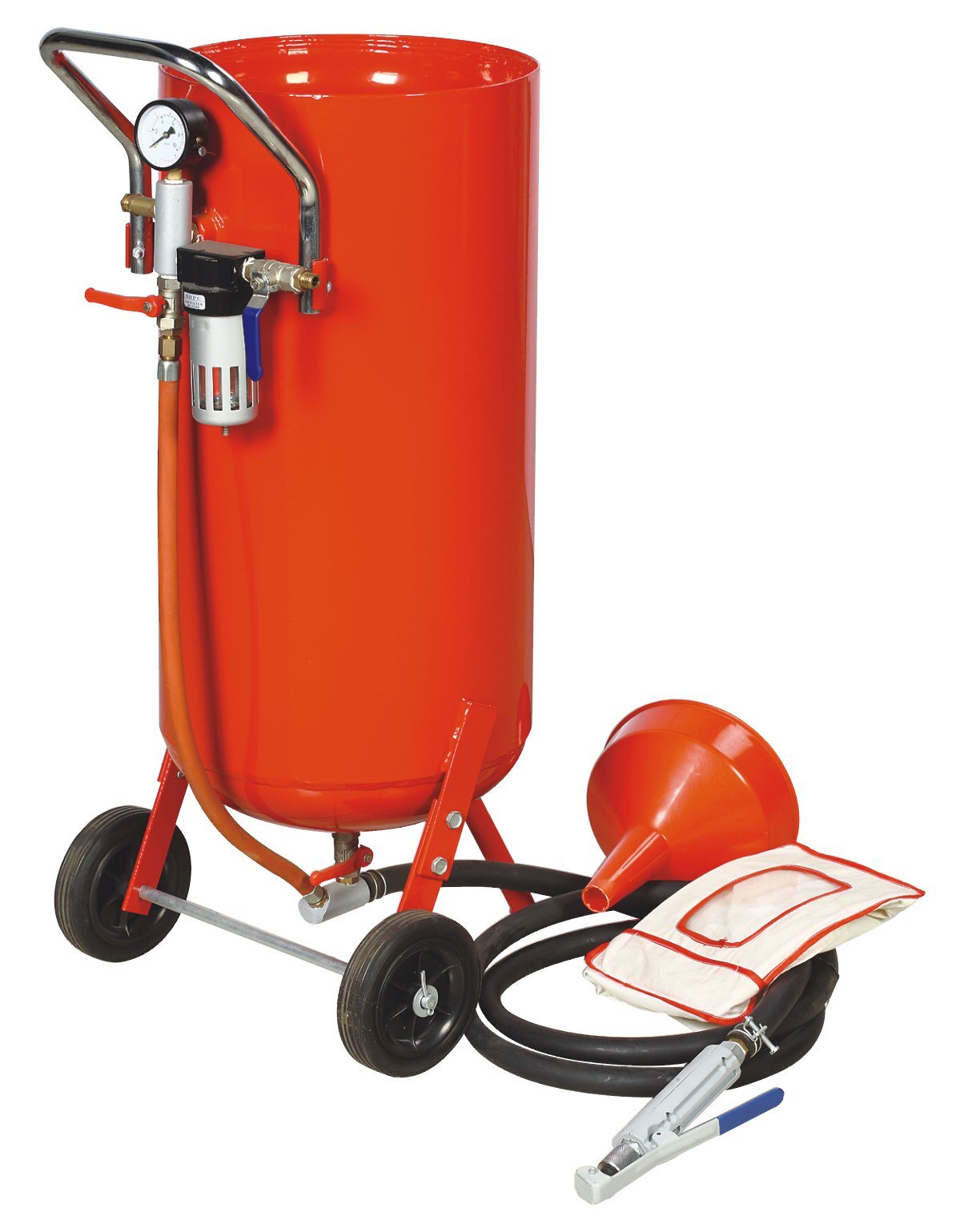
Protecting heavy industrial machinery requires a multi-layered approach. Each layer serves a distinct purpose against physical impact, environmental threats, and transit vibrations.
Heavy-duty, heat-treated wooden crates remain mandatory for industrial shipping. You should avoid standard corrugated cardboard entirely, especially when ordering heavy pressure pot systems. High-quality vendors utilize ISPM 15-certified wood. This certification ensures the wood resists pests and withstands international customs inspections.
Manufacturers must use heavy-duty steel or PET strapping. They should also implement bolted base-plates. These plates lock the machine legs directly into the pallet skid. This anchoring technique prevents dangerous lateral shifting during Less Than Truckload (LTL) freight operations. When trucks brake suddenly, a bolted machine stays perfectly stationary.
Extended ground freight and sea transit expose naked steel to rapid temperature fluctuations. Condensation forms quickly under standard plastic wrap. To combat this, elite manufacturers implement Vapor Corrosion Inhibitor (VCI) packaging.
VCI films release microscopic rust-preventative compounds into the sealed enclosed space. These compounds settle on exposed metal threads and internal tank surfaces. Combining VCI wrap and strategically placed desiccant packs prevents flash rust entirely. Your equipment arrives looking factory-new, regardless of the shipping duration.
Protruding components sustain the highest rate of transit damage. Regulators, analog pressure gauges, and pneumatic foot pedals require specialized protection. Manufacturers should use foam-in-place encapsulation for these delicate parts. Expanding polyurethane foam molds perfectly around the component. It isolates the part from harsh transit vibrations and sudden forklift drops.
Table: Core Transit Packaging Materials and Their Functions
Packaging Material | Primary Function | Vulnerable Component Protected |
|---|---|---|
ISPM 15 Wooden Crating | Prevents crushing and forklift penetration. | Cabinet exterior, structural frame. |
Bolted Base-Plates | Eliminates lateral shifting during braking. | Legs, casters, hoppers. |
VCI Film & Desiccants | Stops flash rust and condensation damage. | Metal threads, internal pressure vessels. |
Foam-in-Place Isolation | Absorbs high-frequency shock and vibration. | Regulators, gauges, moisture separators. |
Protection protocols do not stop once you uncrate the machine. Transitioning from transit to daily operation shifts our focus toward consumable wear protection. The most vulnerable part of any cabinet sandblaster remains the tempered viewing window.
Abrasive bounce-back aggressively attacks bare glass. Without protection, a new viewing window frosts over and pits within hours. This reduces operator visibility and compromises workplace safety.
Operators must apply consumable Mylar or acetate protective films onto the interior glass surface. Mylar provides superior optical clarity. It also resists rapid degradation better than cheap vinyl substitutes. This film acts as a sacrificial packaging layer. When visibility drops, operators simply peel off the damaged film and apply a fresh sheet.
For maximum efficiency, you should source machines featuring pre-installed quick-change film rolling systems. These systems allow operators to advance a fresh layer of film across the window in seconds. It eliminates the need to halt production for manual film replacement.
Bare interior steel walls degrade quickly under constant abrasive bombardment. Applying rubber or thick polyurethane lining acts as internal packaging for your cabinet. These heavy-duty liners absorb raw abrasive impact efficiently.
Installing these protective liners achieves three distinct operational benefits. First, it prevents the abrasive media from wearing through the external steel shell. Second, it reduces ambient shop noise significantly. Finally, it prevents media degradation, keeping your abrasive mix sharper for longer durations.
Best Practices for Operational Protection:
Always stock a minimum of three months' supply of Mylar window films.
Inspect internal rubber liners weekly for wear spots near the primary blast zone.
Never operate the cabinet without a protective film over the tempered glass.
You must scrutinize a vendor's shipping protocols before signing any purchase order. A reliable sandblaster supplier treats freight preparation as a core engineering process.
Always ask if the supplier provides a pre-shipment photographic record. Legitimate vendors will email you high-resolution images showing your crated equipment before it leaves their dock. These photos prove the unit was packaged securely. They also serve as vital evidence if you need to file a concealed freight damage claim later.
You must clearly define the stated Incoterms (like FOB or DDP) in your contract. Understand exactly who assumes the risk of damage during transport. If shipping FOB Origin, you carry the liability the moment the crate hits the truck. Ensure your corporate transit insurance covers specialized industrial machinery fully.
Ordering highly specialized units requires extra logistical care. For example, when importing models like the sandblaster dj ra20, verify the internal blocking methods. The supplier should use customized foam molds routed specifically for that model's unique dimensions. Generic bubble wrap or standard void-fill peanuts fail to secure heavy, unbalanced industrial components.
Avoid suppliers exhibiting these dangerous shipping habits:
Shipping fully assembled, top-heavy cabinet units on standard-width, narrow skids.
Failing to attach active tip-indicators or shock-watch sensors to the exterior crate.
Refusing to detail their anti-tilt packaging methodology in writing.
Your receiving dock serves as the final checkpoint for quality assurance. How your team handles the unboxing process dictates whether you can successfully claim freight damage.
Dock workers must inspect the external packaging immediately upon arrival. Look closely for activated tip/shock indicators. These small devices turn red if the crate sustained a severe drop or tilted beyond an acceptable angle.
Check the wooden frame for crushed crate corners. Inspect the outer layers for torn stretch wrap or aggressive forklift gouges. You must perform this entire visual inspection before signing the driver's Bill of Lading (BOL). If you spot damage, note it specifically on the BOL before releasing the driver.
Once you open the crate, cross-reference the received components against the factory checklist. Missing moisture separators or absent foot pedals happen frequently during chaotic freight transfers.
Next, manually test all visible pneumatic fittings. Transit vibrations induce severe loosening. Tighten any loose hose clamps or air valve connections immediately. Failing to do this causes dangerous air leaks during initial power-up.
Document any visible internal damage using timestamps on your camera. You should unbox the machine in a clean, well-lit receiving bay. Do not move the unopened crate directly into a messy final blast room. Unboxing in a clean environment ensures loose components—like spare nozzles, hex keys, or extra Mylar films—do not get lost amidst industrial shop debris.
The operational longevity of your blasting equipment begins well before delivery. By treating equipment packaging protocols as strict purchasing criteria, your procurement team mitigates costly deployment delays. You must demand high-quality transit crating and prioritize resilient operational protective films equally.
Take action today by requesting documented packaging specifications from your current vendors. Prioritize suppliers who communicate transparently about their freight preparation routines. Ensure they engineer machines designed to accept standard protective wear parts easily. Secure your capital investment by enforcing rigorous receiving inspections, ensuring your new equipment runs flawlessly from day one.
A: Most industrial cabinets are bolted to custom wooden skids, wrapped in moisture-resistant VCI film, and enclosed in hard wooden crating to prevent forklift damage. Quality vendors avoid corrugated cardboard and utilize bolted base-plates to prevent dangerous lateral shifting during freight operations.
A: Typically, manufacturer warranties cover defects, not freight damage. This is why evaluating your supplier's packaging standards and verifying shipping insurance is critical before purchase. Always document damage on the Bill of Lading to ensure freight insurance covers the necessary repairs.
A: Mylar (polyester) films are the industry standard due to their exceptional optical clarity and resistance to rapid abrasive pitting. They act as a sacrificial packaging layer for the permanent tempered glass. Replacing them regularly ensures optimal operator visibility and safety.
A: Request a packaging specification sheet from your supplier before ordering. For specific units, ask if they remove and separately package delicate extrusions (like external light fixtures or regulators) to prevent shearing during transport. Insist on pre-shipment crating photos.