English
Views: 0 Author: Site Editor Publish Time: 2026-09-30 Origin: Site


Securing capital for industrial air quality systems marks only the first step in a complex procurement journey. Plant managers and facility engineers often face severe headaches when negotiating actual delivery terms. Misaligned lead times easily cause facility downtime. They can severely delay the launch of new production lines. Similarly, poor inventory planning on critical consumables leads to bloated stockrooms or sudden, crippling shortages. You need a transparent strategy to manage these moving parts effectively.
We provide a pragmatic framework for mapping out your exact procurement timelines. You will learn how to understand hidden supplier constraints and avoid common fulfillment traps. We will show you how to negotiate realistic Minimum Order Quantities (MOQ) and lead times. By mastering these purchasing dynamics, you can keep your manufacturing floor running smoothly. You ensure environmental compliance remains completely uninterrupted.
Capital Equipment vs. Consumables: A complete dust collector system typically carries an MOQ of one, but replacement filters, valves, and ducting components often have distinct volume requirements.
Lead Time Phasing: True lead time extends beyond manufacturing; it includes engineering approvals, custom specifications, compliance checks, and freight transit.
Customization Penalties: Deviating from standard off-the-shelf models to meet niche compliance (e.g., NFPA/OSHA) or specific facility footprints adds significant weeks to the timeline.
Supplier Vetting: Evaluating a dust collector supplier should weigh their domestic parts inventory and supply chain transparency as heavily as their baseline pricing.
Many buyers assume heavy machinery procurement operates just like buying standard office supplies. Industrial systems follow entirely different rules. You must separate your capital equipment strategy from your aftermarket parts strategy.
For primary heavy machinery, you rarely face Minimum Order Quantity (MOQ) obstacles. You usually only need to order a single primary unit. Exceptions exist for bulk distributor agreements or multi-facility corporate rollouts. In most scenarios, manufacturers gladly process single-unit system orders. However, you must plan carefully for aftermarket parts.
Manufacturers batch-produce filter media and cartridges to maximize factory efficiency. Setting up pleating machines and curing ovens costs money. Therefore, you might face high MOQs for single replacement filter orders. How do you solve this? Negotiate annual blanket purchase orders. This strategy lets you bypass steep single-order minimums. You secure volume pricing while pulling inventory only when needed. It keeps your cash flow healthy.
Ancillary equipment also carries distinct purchasing constraints. Purchasing ductwork or specific compressed air fittings often involves minimum order values. Sometimes you need a supplementary dust collector vacuum unit to handle localized spills. Suppliers might enforce volume minimums on these modular additions. Always clarify these terms before finalizing the master contract.
Component Category | Typical MOQ Expectation | Recommended Procurement Strategy |
|---|---|---|
Main Housing & Blowers | 1 Unit | Direct capital purchase; negotiate terms per project. |
Replacement Filters | Case or Pallet Quantities | Annual blanket PO; schedule quarterly releases. |
Ductwork & Fittings | Minimum Dollar Value (e.g., $500) | Bundle with main system order or group facility-wide needs. |
Diaphragm Valves | Pack of 5 or 10 | Stock minimum critical spares locally; buy in bulk upfront. |
Common Mistake: Buyers often secure the main unit but ignore the consumables. They scramble months later when they hit unexpected filter MOQ walls. Always negotiate consumable minimums during the initial equipment purchase.
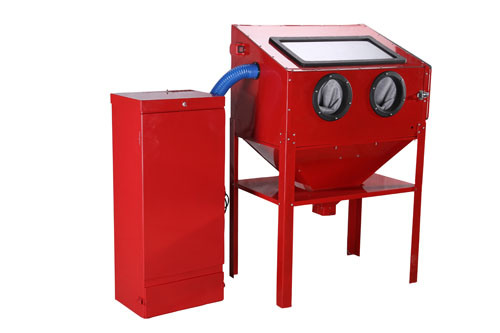
Lead times extend far beyond the physical manufacturing process. Buyers often mistake "build time" for the actual delivery schedule. A realistic timeline consists of four distinct phases. Let us break down the standard lifecycle of an industrial order.
Phase 1: Engineering & System Assessment (1–3 Weeks)
This initial stage involves crucial site surveys and precise airflow calculations. Engineers need time to map your facility. They must finalize your exact dust collector specifications. This phase includes drafting CAD models and securing internal approvals.
Phase 2: Manufacturing & Assembly (4–12+ Weeks)
Standard models ship much faster than custom-built units. Supply chain dependencies play a massive role here. Manufacturers wait on third-party motors and blowers. They also rely on specialized variable frequency drives (VFDs). Sheet metal cutting, welding, and paint curing take dedicated time.
Phase 3: Transit & Logistics (1–6 Weeks)
Domestic sourcing differs wildly from international freight. Ocean freight introduces risks at ports and standard customs delays. You must account for inland trucking variables. Oversized loads require special highway permits. These logistical hurdles add invisible weeks to your schedule.
Phase 4: Installation & Commissioning (1–2 Weeks)
Equipment delivery does not equal operational readiness. You must factor in contractor scheduling. Millwrights and electricians need time to connect components. System testing and airflow balancing require dedicated days on site.
Best Practice: Always ask your vendor for a milestone chart. Track dates for engineering approval, steel cutting, and final assembly. This keeps everyone accountable throughout the long process.
Standard units move quickly through the factory floor. Customizing your equipment adds significant weeks to your timeline. Strict safety regulations often force these necessary customizations. You must account for these delays early.
Combustible dust compliance demands rigorous engineering. Facilities processing wood, grain, or metal dust must follow NFPA standards. You must upgrade systems with explosion vents and rotary airlock valves. Abort dampers prevent dangerous fire spread back into the building. These safety features require custom fabrication. Engineers must review the structural integrity of the reinforced housing. This meticulous process extends lead times significantly. You cannot rush explosion protection engineering.
Filtration media choices also affect delivery dates. Standard cellulose filters sit ready on warehouse shelves. Unique dust types demand specialized media. You might need PTFE membranes for sticky dust. High-temperature applications require flame-retardant materials. Ordering specialized nano-fiber cartridges triggers specific production runs. Suppliers wait for raw materials before weaving custom filters. This adds immediate delays to the assembly phase.
Integration requirements add another layer of complexity. Tying a new unit into existing facility infrastructure takes careful planning. You might need specific compressed air system designs for pulse-jet cleaning. Matching the new control panel with your central PLC requires custom programming. These bespoke integrations require extended electrical engineering review cycles.
Choosing the right partner involves more than checking their baseline pricing. You must evaluate a dust collector supplier based on their supply chain transparency. Reliable vendors provide realistic schedules and stick to them. They do not overpromise just to win the bid.
Inventory transparency serves as a major indicator of reliability. Ask vendors about their specific stocking levels. Differentiate between critical wear parts and build-to-order components. A reliable partner holds ample stock of common filters and solenoid valves. They should easily explain their inventory replenishment cycles. Ask them directly how they handle unexpected material shortages.
Consider the ongoing debate between domestic and offshore production. Overseas manufacturers often offer lower upfront pricing. However, you face severe lead-time risks and freight volatility. Port strikes, canal blockages, or container shortages ruin carefully planned schedules. Domestic production usually guarantees faster, more predictable delivery. You must weigh these logistical risks carefully against your strict project deadlines.
Always establish clear Service Level Agreements (SLAs). Secure guaranteed delivery dates in your commercial contracts. Understand the penalty clauses for delayed shipments. These clauses often take the form of liquidated damages. Strong SLAs protect your project schedule and hold vendors financially accountable for delays.
Smart procurement officers anticipate delays long before they happen. They implement aggressive strategies to protect production schedules. You can adopt several proven tactics to manage risk.
The "Buffer Time" Rule: Project managers should add a 15–20% contingency buffer to quoted lead times. Large-scale installations involve unpredictable variables. Weather delays, permit issues, or transit hiccups happen often. This buffer absorbs minor supply chain shocks. It prevents unexpected delays from stalling your entire facility opening.
Staggered Deliveries: Negotiate with your supplier to ship equipment in strategic phases. Ask them to deliver the main housing and structural supports first. Your facility prep and ductwork can begin immediately. Meanwhile, the factory finishes custom components like control panels. This parallel workflow saves massive amounts of time.
Preventative Maintenance Kits: When you install a new dust collector, you must protect your operation. Purchase the first one to two years of replacement filters upfront. Buy these maintenance components alongside the capital purchase. You circumvent future MOQ restrictions entirely. This prevents sudden lead time shocks during your critical first year of operation. Commissioning often blinds the first set of filters quickly. Having spares on hand saves the day.
Managing inventory is an active process. Do not rely entirely on the vendor to remind you. Set up automated internal alerts for consumable reorders. Align your reorder points with the vendor's known lead times. If custom filters take eight weeks, reorder when you reach a twelve-week supply.
Effective planning of MOQ and lead times serves as a critical risk management exercise. It goes far beyond a simple procurement checkbox. Mismanaged schedules lead directly to lost production revenue and unsafe working conditions. You must align your facility’s strict drop-dead dates with verified supply chain realities.
Choose vendors who demonstrate true logistical competence alongside technical expertise. Evaluate their inventory transparency and domestic manufacturing capabilities thoroughly. Always negotiate consumable minimums at the same time you buy the primary machinery.
Take proactive steps today to secure your future operations. Request a detailed, milestone-based project timeline during the proposal stage. Ask your engineering or sales rep for a comprehensive parts availability sheet. Solidify your purchasing strategy now to guarantee seamless, compliant operations year-round.
A: Typically 6–14 weeks depending on size, customization, and origin, but off-the-shelf units can be 1-3 weeks. Factors like specialized electrical panels or unique paint finishes push timelines closer to the 14-week mark. Always confirm current factory backlog times before signing.
A: Yes, but often at a premium cost; expediting usually skips the queue in manufacturing but cannot bypass engineering approvals or freight physics. You pay to prioritize your unit on the assembly floor. You cannot pay to make ocean freight move faster.
A: Yes, often sold in case quantities or pallet loads; discuss blanket orders for long-term savings. Manufacturers design their production runs around large batches. Establishing a blanket purchase order allows you to lock in pricing while managing your localized inventory space.
A: If integrated into the main controls, it requires additional electrical engineering and testing, potentially adding 1-2 weeks to the final sign-off. The supplier must map the vacuum unit's sensors to the central PLC. Standalone units usually do not impact the primary system's delivery schedule.