English
Views: 0 Author: Site Editor Publish Time: 2026-09-18 Origin: Site


Farm jacks are historically rugged tools. High-frequency, daily application accelerates mechanical wear rapidly. Constant stress introduces severe safety risks. Operators often overestimate equipment limits. You must evaluate whether a standard jack withstands continuous agricultural or off-road recovery usage. Structural compromise happens fast under continuous dynamic loading. It frequently leads to unexpected and dangerous failures.
We wrote this guide to provide an evidence-based breakdown of how daily stress impacts components. You will discover exactly which specifications matter most for longevity. We also explain how to source reliable equipment for heavy-duty environments. Understanding these mechanical limits protects your crew. It ensures operations run smoothly without hazardous interruptions. Daily usage demands strict adherence to maintenance protocols and proper material selection.
Daily climbing under heavy loads takes a massive toll on internal mechanisms. The climbing pins bear the brunt of this continuous force. Repeated engagement rounds off the edges of these pins. It also wears down the engagement holes running along the main standard bar. Once these edges lose their crisp angles, the pins slip under pressure. This slippage creates unpredictable drops. You must monitor pin degradation carefully to maintain operational safety.
Cross-peen springs rely on precise tension to operate correctly. Continuous tension cycles stretch these springs past their elastic limit. Over time, they lose their retracting force. Weak springs fail to pull the reversing latch into place quickly. This delayed reaction causes the mechanism to jam entirely. Sometimes, it allows the jack to slip down the standard freely. Operators often ignore spring fatigue until a jam causes an accident.
Daily exposure to mud, grit, and moisture degrades unsealed moving parts. Farm tools operate in unforgiving environments. Dirt acts like abrasive sandpaper inside the climbing mechanism. It accelerates galling across metal surfaces. Moisture introduces rust quickly if left unchecked. Unlubricated parts grind against each other constantly. This combination of rust and abrasive grit destroys the runner assembly. Routine cleaning prevents environmental contaminants from ruining the tool.
The shear bolt prevents you from lifting loads beyond safe capacities. Repeatedly lifting loads near maximum capacity micro-stresses this bolt. These microscopic fractures compound over time. Continuous heavy lifting weakens the bolt prematurely. A weakened bolt might shear unexpectedly during a routine lift. Sudden shearing drops the load instantly. Operators must understand how daily near-capacity lifts reduce the shear bolt lifespan.
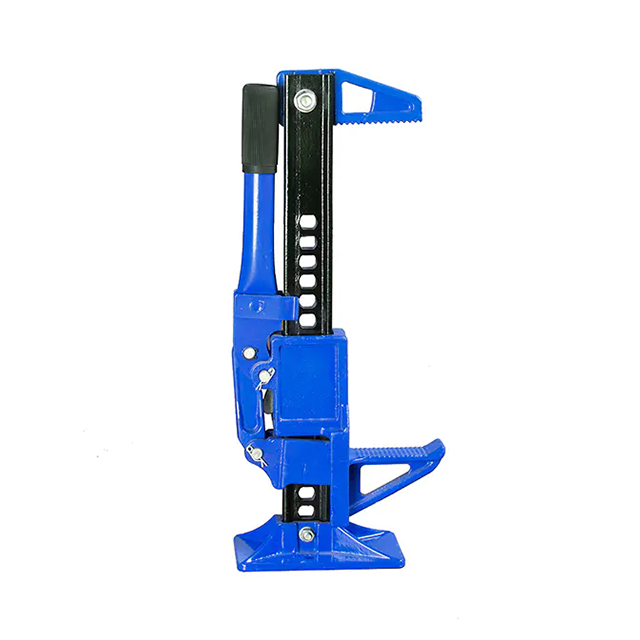
Material composition dictates structural survival under daily stress. All-cast components offer significantly higher fatigue resistance. Cast iron handles continuous heavy vibration and static loads excellently. Stamped steel parts bend much easier under daily lateral stress. Many tools blend cast iron runners and stamped steel standards to save weight. For daily commercial use, all-cast construction always provides superior endurance. You should prioritize cast components when assessing structural longevity.
Never confuse static load ratings for daily working load limits. A static rating indicates the absolute maximum capacity in controlled environments. Daily working loads represent the safe threshold for continuous, dynamic operations. Operating at the maximum static rating daily destroys the mechanism rapidly. You must calculate a healthy safety margin. Always choose a jack rated significantly higher than your heaviest daily lift.
Specialized models incorporate reinforced designs for relentless use. The dj fj 20 exemplifies heavy-duty engineering. Models built for daily stress feature reinforced pitman arms. They use thicker base plates for continuous operation. Reviewing detailed farm jack specifications helps you identify these structural upgrades. Heavy-duty designations typically mean the manufacturer optimized the internal geometry. These specific endurance features prevent catastrophic bending under heavy side loads.
The base plate transfers immense pressure into the ground. Daily pivoting weakens flimsy base plate attachments quickly. Base plate dimensions determine how well the tool resists sinking in soft terrain. A thick, ribbed base plate distributes pressure evenly. It prevents the standard from punching through the metal bottom. You must inspect the attachment cotter pin frequently. Loose base plates create unstable lifting angles in mud or sand.
Using the tool for winching creates intense lateral tension. This side-loading generates uneven wear along the main standard bar. Most jacks naturally resist vertical compression well. Lateral pulling demands exceptional structural rigidity. It twists the runner assembly aggressively. This twisting motion strains the climbing pins unevenly. You must ensure the steel standard resists bending during horizontal recovery operations.
Tractors and heavy implements focus extreme vertical stress on the lifting runner. Daily lifting in agricultural maintenance pushes the shear pin to its limits. The sheer weight of farming implements tests the structural integrity daily. This specific application demands perfect engagement between the climbing pins and the standard. Any pin slippage drops tons of steel instantly. Heavy equipment maintenance strictly requires tools rated for commercial dynamic loading.
Operators frequently use a farm jack for non-traditional clamping. Tasks like fence stretching or stump removal shift load-bearing dynamics completely. These unconventional uses apply force against the top clamp. The top clamp often features lower load limits than the main lifting runner. You must adhere strictly to top-clamp load ratings. Exceeding these limits during spreading operations shears the top bracket cleanly off.
| Application Type | Primary Force Direction | Most Stressed Component | Common Failure Mode |
|---|---|---|---|
| Vertical Lifting | Downward Compression | Shear Bolt / Pins | Unexpected shearing or slipping |
| Horizontal Winching | Lateral Bending | Main Standard Bar | Permanent standard deformation |
| Clamping/Spreading | Outward Tension | Top Clevis Clamp | Bracket fracture |
High-volume operators need a mandatory pre-use checklist. A visual inspection takes two minutes but saves lives. You should run through these specific checks before every shift:
Following this checklist prevents small defects from causing major accidents.
Debates between dry and wet lubricants confuse many operators. Standard wet oils attract thick abrasive dirt instantly. Heavy grease acts like a magnet for dust and grit. This abrasive paste destroys the climbing mechanism. For dusty environments, you must use dry lubricants like graphite or Teflon sprays. They reduce friction without attracting heavy soil. Penetrating oils help clean the mechanism but fail to provide lasting heavy-load lubrication.
You must establish a clear threshold for component replacement. Installing a rebuild kit makes sense for worn springs or rounded pins. Rebuild kits contain fresh hardware to restore internal mechanisms. However, structural damage requires complete replacement. You must retire any jack showing a bent main standard. Never attempt to heat or straighten a bent bar. Bending compromises the steel grain structure permanently.
Worn reversing latches cause severe handle kickback. This represents the most dangerous aspect of heavily used jacks. When the mechanism slips, the handle flies upward violently. Handle kickback routinely fractures jaws and arms. You must always keep your head clear of the handle path. Maintain a firm grip during every click of the lifting process. Recognizing worn latches early prevents these explosive mechanical reactions.
Buyers must demand verifiable metallurgical specifications. You should require load-testing certifications from your chosen farm jack supplier. Reputable brands test their equipment against ASME or ANSI standards. This transparent testing proves the metal withstands advertised capacities. Opaque manufacturers hide cheap cast materials under thick paint. Ask for spec sheets detailing the steel grading. Transparent data ensures you purchase commercial-grade lifting equipment.
A reliable supplier offers immediate access to critical spare parts. Daily operators destroy shear bolts and climbing pins regularly. You cannot afford weeks of downtime waiting for basic springs. Your supplier must stock OEM rebuild kits locally. They should offer bulk discounts on high-wear components. Accessible parts guarantee your crew can service equipment immediately in the field.
Follow a strict checklist when procuring heavy-duty jacks for your fleet. Look for clear load-rating documentation first. Prioritize brands offering all-cast iron options for maximum durability. Ensure the manufacturer sells readily available rebuild kits directly to consumers. Finally, test their technical support responsiveness before buying. Responsive support indicates a manufacturer stands behind their mechanical engineering.
A standard jack handles daily use safely only when it possesses proper metallurgical specifications. Baseline maintenance remains absolutely critical. Skipping lubrication or ignoring bent standards invites disaster. Daily operation forces extreme friction onto climbing pins and shear bolts. Selecting all-cast construction over stamped steel drastically improves tool survival rates in rugged environments.
Base your purchasing decisions entirely on component quality and verifiable engineering data. Partnering with a reliable supplier ensures you have quick access to essential replacement parts. Establish a strict daily inspection framework for your crew immediately. Prioritize safety by retiring structurally compromised tools without hesitation. This proactive approach ensures operational safety and maintains an uninterrupted daily workflow.
A: Lifespan depends entirely on maintenance frequency, load weight, and material composition. All-cast jacks last several years under daily use if maintained properly. Stamped steel versions often bend or fail within months of continuous heavy lifting. Regular cleaning and dry lubrication double the mechanism's life.
A: No. Cheap clones use inferior steel and lack verified load ratings. Daily agricultural work pushes equipment to dynamic limits. Inferior metal fatigues quickly, leading to sudden shear bolt failure or standard bar bending. Always rely on certified, heavily tested equipment for daily tasks.
A: Climbing pins and shear bolts fail first. Daily friction rounds off the edges of the pins, causing mechanism slippage. The shear bolt suffers micro-stresses from repeated heavy lifting and will eventually snap to protect the main standard from overload.
A: Standard WD-40 is a water displacer and solvent, not a heavy-load lubricant. It cleans mechanisms well but evaporates fast. For high-friction lifting, you need robust dry lubricants like Teflon or graphite. These reduce heavy-load friction without attracting abrasive grit and dust.