English
Views: 0 Author: Site Editor Publish Time: 2026-09-07 Origin: Site


Off-the-shelf equipment handles standard concrete jobs efficiently. However, specialized materials and unique site constraints often expose the limits of commercial inventory. Standard machines simply cannot do everything perfectly across every single job site. You will eventually encounter a project where your everyday equipment slows your crew down.
At what point does an operational bottleneck justify a significant upgrade? A standard small cement mixer works great for average tasks. Yet, it might struggle under heavy loads, overheat quickly, or fail to fit through tight access points. You face a challenging dilemma between paying an upfront premium and enduring daily workflow inefficiencies.
We will explore a definitive decision-making framework for evaluating bespoke mixing equipment. You will learn exactly when to customize your machines to overcome complex barriers. We also cover which specific components to modify to maximize your return on investment. This guide helps procurement teams and contractors navigate these complex equipment choices confidently.
Customization is rarely justified for standard concrete flatwork; it is essential for high-viscosity materials, refractory work, and extreme spatial constraints.
The most profitable modifications typically involve altering discharge heights, drum blade configurations, and motor torque rather than reinventing the entire machine.
A custom build introduces maintenance risks—buyers must ensure their supplier uses standardized, off-the-shelf wear parts (bearings, belts) within the custom frame.
Evaluating a supplier's engineering transparency and post-sale warranty is as critical as the equipment itself.
Standard models compete fiercely on mass-market affordability. Manufacturers prioritize high volume, lightweight frames, and easy portability. They engineer these baseline units for average slump concrete and standard batch times. If your crew primarily pours basic sidewalks or residential footings, standard inventory meets your needs easily. You do not need specialized engineering for everyday flatwork. Standard machines keep your initial expenses low and your procurement fast.
However, standard units inevitably hit a performance ceiling on complex jobs. How do you identify the actual tipping point for an upgrade? You must look for consistent operational failures on the job site. Frequent motor burnouts clearly signal insufficient torque capacity. Inconsistent mix homogenization ruins specialized colored batches. If crews spend excessive time manually handling discharge into wheelbarrows, you have a severe bottleneck. Another massive red flag occurs when standard equipment cannot physically fit through site access points. When these specific issues disrupt your schedule daily, you need a different mechanical approach.
A successful custom small cement mixer must resolve a specific, measurable workflow failure. It needs clear success criteria to justify the higher initial capital expenditure. You should evaluate customization against strict operational benchmarks.
Measurable Labor Reduction: The modified machine must decrease manual labor hours per batch significantly.
Elimination of Material Waste: Improved mixing consistency must stop rejected pours and ruined materials.
Enhanced Site Safety: Ergonomic modifications must remove heavy manual lifting risks and exposure to environmental hazards.
Cycle Time Acceleration: The custom powertrain should reduce the overall mixing time required for dense materials.
The premium you pay upfront must generate tangible daily savings. We will look closer at the exact job site scenarios that demand these upgrades next.
Specialized building materials demand specialized mixing dynamics. A baseline unit often fails completely when mixing zero-slump mortar. It struggles heavily when blending colored terrazzo or refractory cements. A standard drum simply allows these dense materials to segregate. A dedicated masonry work small cement mixer solves this problem directly. Custom paddle geometry forces a thorough folding action within the drum. It prevents dense materials from clumping uselessly at the bottom. This dynamic ensures color additives and fine aggregates disperse evenly throughout the entire batch. You avoid color streaking and weak structural spots entirely.
Beyond material chemistry, physical site constraints often dictate mandatory customization. You might face underground utility repair jobs. Interior renovations in historical buildings present massive logistical challenges. Mining applications restrict entry widths severely. Standard mixers cannot physically enter these tight spaces. Customizing the frame dimensions becomes an absolute necessity. You might need a narrow track width to navigate 36-inch standard doorways. Sometimes, engineers must design collapsible, modular frames for easy transport down narrow elevator shafts.
Power limitations and environmental demands also force custom machine builds. Off-grid construction sites often lack standard electrical hookups. Hazardous environments prohibit standard gas engines due to fume accumulation. You must adapt the equipment to survive the environment safely.
Transitioning from standard electric setups to hybrid battery-gas power for remote flexibility.
Installing IP-rated sealed motors to protect internals in wet, muddy, or heavily dusty environments.
Integrating spark-proof enclosures and wiring for highly explosive mining atmospheres.
Adding hydraulic power take-off (PTO) adapters to run the mixer directly off heavy site machinery.
These specific environmental modifications ensure the equipment survives harsh conditions daily. They prevent dangerous electrical sparks and mechanical binding. You keep your crew safe while maintaining maximum productivity in restrictive zones.
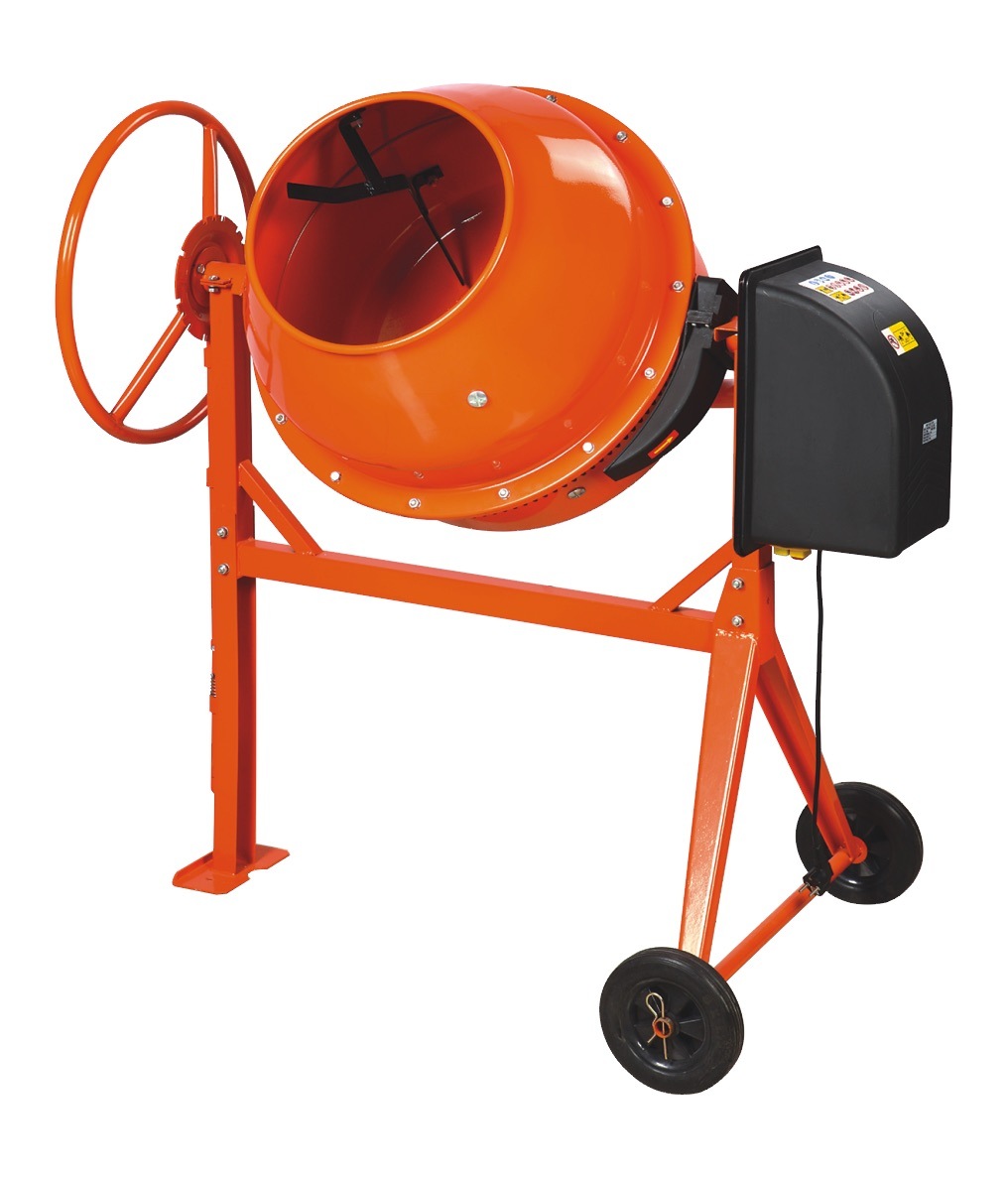
When you decide to customize, you must scrutinize every single component. Start by analyzing the drum design and blade configuration closely. Standard mild steel wears out quickly against harsh, sharp aggregates. Upgrading to abrasive-resistant alloys, such as AR400 steel, extends drum life significantly. You can also ask the manufacturer to modify the internal blade pitch. A steep blade pitch alters the folding action required for specialized grouts. It creates high shear forces necessary for thick, industrial epoxies.
Next, evaluate the drive mechanisms and the entire powertrain. Consumer-grade belt drives slip constantly under heavy, dense loads. They require constant manual tensioning and frequent replacement. Moving to direct-drive gearboxes guarantees continuous, high-torque output without slipping. You should thoroughly review the small cement mixer specifications before finalizing the engineering build. Match the motor voltage exactly to your existing site generators. Specify exact hydraulic PTO requirements if you plan to pair the mixer with existing skid steers or tractors.
Ergonomics and discharge engineering often yield the highest operational return. Standard dump heights rarely align exactly with specialized, high-capacity wheelbarrows. They usually miss the optimal pouring angle for custom precast molds. You can customize the pivot axis to reduce operator strain completely. Adding multi-directional pouring chutes allows highly precise material placement. This custom addition eliminates secondary manual shoveling entirely.
Component Category | Standard Equipment Spec | Custom Engineering Upgrade |
|---|---|---|
Drum Material | Standard mild steel | AR400 abrasive-resistant alloy |
Drive System | V-belt and pulley | Direct-drive high-torque gearbox |
Frame Width | Fixed broad stance (40+ inches) | Narrow track (under 36 inches) |
Discharge Method | Fixed pivot, single direction | Multi-axis pivot with directional chute |
By comparing these specifications directly, you ensure your requested modifications solve actual site problems rather than just adding unnecessary bulk.
Custom equipment naturally commands a premium price. You can generally expect a 30% to 60% price increase over baseline standard units. Balancing this initial capital expenditure against daily labor savings remains critical. A machine that batches high-viscosity materials 20% faster saves valuable labor hours every week. A multi-directional chute dramatically reduces manual transport and cleanup labor. Over a busy construction season, these compounding daily savings quickly offset the higher initial purchase price.
However, procurement delays represent a major logistical hurdle. Standard inventory ships immediately from warehouses. A bespoke build involves distinct engineering, prototyping, and manufacturing phases. You must acknowledge this lead time realistically. Most specialized builds take four to twelve weeks to complete properly. You need to plan your project schedule around this unavoidable delay. Rushing a custom design phase usually leads to structural flaws or misaligned specifications.
The absolute biggest hidden risk in bespoke manufacturing is the proprietary parts trap. You must demand standard, commercially available wear parts from your builder. Customizing the steel frame or drum geometry is completely acceptable. Modifying the pivot axis makes operational sense. However, customizing replaceable consumables creates a permanent maintenance nightmare.
Consider these critical best practices for maintenance risk mitigation:
Specify off-the-shelf electric motors from globally recognized brands.
Insist on standard industrial bearings and commonly sized drive belts.
Ensure control switches and relays match standard electrical supply houses.
Avoid bespoke hydraulic fittings; use standard ISO connectors instead.
If a main bearing fails on a remote, time-sensitive job site, you need a replacement today. You cannot afford to wait three weeks for a custom-machined part from overseas. Protect your long-term investment by keeping all heavy wear parts strictly universal.
Choosing the right manufacturing partner dictates your ultimate success. You cannot rely on a standard big-box retailer for bespoke engineering. You must vet a dedicated small cement mixer supplier based strictly on their technical and engineering capabilities. Evaluate their Computer-Aided Design (CAD) proficiency early in discussions. A reliable manufacturer gladly provides detailed technical drawings before metal production begins. They simulate load stresses and balance points digitally. Look for a proven corporate history of bespoke industrial manufacturing, not just minor cosmetic paint tweaks.
Compliance and certification remain completely non-negotiable. Modifying a factory electrical system fundamentally changes its safety profile. Altering a frame shifts the machine's center of gravity drastically. Ensure structural and electrical modifications still comply with regional workplace safety regulations. You absolutely need OSHA compliance in the United States. Look for CE marks in European markets or CSA certification in Canada. A careless, undocumented modification exposes your company to massive legal liability if an accident occurs.
Finally, establish highly transparent warranty and post-sale support terms. Factory modifications often blur the clear lines of standard coverage. What exactly happens if a custom-mounted gearbox fails prematurely? Does the warranty cover the structural integrity of the custom frame welds? Get these answers documented in writing. A trustworthy supplier stands behind their bespoke engineering just like they support their standard production lines. Establish these terms before you sign the final purchase order.
Customization serves as a strategic business investment, not a visual luxury. It makes financial sense only when standard equipment actively hinders your daily productivity. You should avoid modifying machinery just for aesthetics or minor conveniences. Upgrade decisively when standard machines compromise your material integrity, slow down cycle times, or create safety hazards on site.
To move forward effectively, follow these action-oriented steps. First, audit your current mixing bottlenecks by tracking lost labor time and maintenance frequency. Second, define your exact non-negotiable specifications, carefully noting spatial limits and power constraints. Third, explicitly list the standard wear parts you want integrated into the custom design. Finally, initiate a feasibility consultation with a specialized manufacturer to draft initial CAD models. By following this disciplined framework, you secure robust equipment that genuinely accelerates your specific workflow.
A: Costs vary widely based on the complexity of your request. Minor modifications like custom paint or slight frame tweaks typically add a 20% premium. Complete engineering overhauls, such as integrating direct-drive gearboxes, custom drum alloys, or unique chassis dimensions, often carry a 60% to 100%+ premium. You must carefully weigh this upfront capital cost against your projected long-term labor savings.
A: Retrofitting is highly discouraged. Aftermarket DIY modifications instantly void factory warranties. They also alter the machine's center of gravity, introducing severe structural and safety risks. Factory-engineered solutions undergo rigorous stress testing and comply with strict safety regulations like OSHA or CE. Always choose a factory-certified custom build over a dangerous makeshift retrofit.
A: You should expect a realistic timeline ranging from 4 to 12 weeks. This timeframe depends entirely on the design's complexity. The custom process includes initial engineering approval, specialized parts sourcing, fabrication, and rigorous quality testing. Always factor this delay into your project schedule, as bespoke builds cannot ship immediately like commercial inventory.