English
Views: 0 Author: Site Editor Publish Time: 2026-07-31 Origin: Site


You have successfully moved past the initial research phase. Now you are actively evaluating specific equipment options. You need to know if this exact model matches your daily operational volume. Manufacturer spec sheets often blend raw metrics with functional realities. They might list total drum volume rather than actual mixing yield. This confusion frequently leads to misaligned purchasing decisions. It causes unnecessary jobsite delays and frustrates your crew. We designed this guide to cut through standard marketing claims. You will gain a practical, contractor-focused framework right here. We will help you evaluate the mechanical realities of this machine. We also cover the operational and commercial realities. You need accurate data to protect your capital investment. You need equipment capable of running hard all season long.
True Yield Matters Most: A 5-cubic-foot drum capacity typically translates to a 3-to-3.5-cubic-foot functional mixing yield; size your batches accordingly.
Power-to-Weight Ratio is Critical: Motor horsepower must align with the dense torque requirements of low-slump concrete without compromising the unit's portability.
Supplier Vetting Prevents Downtime: Sourcing from a reliable supplier with transparent warranty terms and ready-to-ship wear parts (belts, bearings) is as important as the machine's steel gauge.
Customization is Possible: Certain specialized applications justify pursuing a custom build to alter discharge heights, mobility setups, or motor enclosures.
Contractors often face a frustrating equipment dilemma on new projects. Large volumetric trucks represent massive overkill for segmented pours. They are highly cost-prohibitive for smaller residential tasks. You simply cannot justify a truck for a short sidewalk. Conversely, sub-3-cubic-foot DIY mixers fail under continuous commercial strain. They overheat quickly. They delay your crew and ruin your timeline. You need equipment balancing batch consistency and rapid deployment perfectly. It must actively reduce operator fatigue during long shifts.
This exact balance defines the middle-weight equipment category. A small jobsites PCM5-V concrete mixer serves as the baseline standard here. Residential flatwork crews rely on it daily for efficiency. Fencing contractors and mid-tier masonry teams use it constantly. It helps them maintain a steady workflow without interruptions. It bridges the massive gap between heavy industrial setups and flimsy retail models. You get commercial durability without the massive footprint. Your crew can move it easily. They can set it up in minutes.
Operator safety and crew turnover are major concerns. Heavy, poorly balanced equipment wears out your best workers quickly. A well-designed middle-weight mixer changes this dynamic entirely. It keeps the crew moving at a steady pace. They do not burn out halfway through the afternoon. The machine takes on the heavy burden. This improves your overall jobsite morale significantly. It also ensures consistent concrete quality from the first batch to the last.
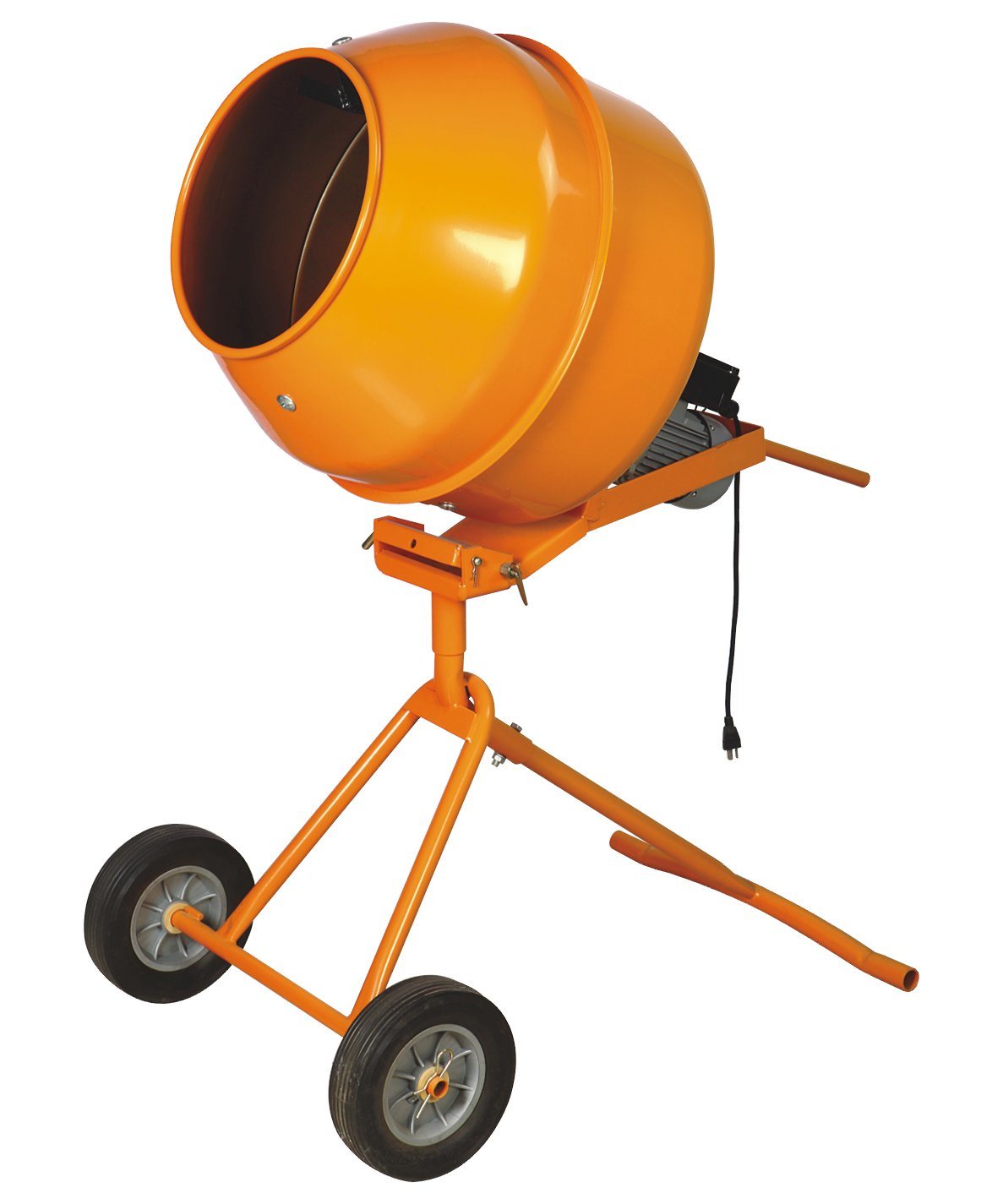
Understanding the physical size of the drum is never enough. You must understand the actual volume of properly mixed concrete per cycle. Manufacturers loudly list a 5-cubic-foot drum on the box. However, the workable yield sits closer to 3 or 3.5 cubic feet. If you fill the drum to the brim, it spills everywhere. The mix will not tumble properly inside the barrel. Dry pockets form immediately.
Motor and drivetrain capabilities also demand your close inspection. Standard jobsite power availability dictates your voltage requirements. A reliable PCM5-V concrete mixer must deliver consistent rotational torque. You must evaluate the drive mechanism carefully before buying. Direct drive systems differ greatly from standard V-belt configurations. V-belts often provide much better vibration reduction. They are also much easier to repair in the field. If a belt snaps, you swap it in ten minutes. If a direct drive gear strips, you face serious downtime.
You also need to critically assess the drum material. The gauge of the steel drum determines its true abrasion resistance. Thicker steel withstands harsh aggregate impact much longer. You want to look for heavy-duty steel construction. Internal blade configuration remains equally important. The blades dictate the overall speed of your mix. They actively fold the material to prevent dry pockets. This specific blade geometry forms a crucial PCM5-V concrete mixer specifications baseline. If the blades are flimsy, they bend under heavy loads. Thick, welded blades ensure a consistent, homogeneous mix every single time.
Drum rotation speed is another crucial mechanical factor. It usually ranges between 20 to 28 RPM. This specific speed ensures optimal folding action. If it spins too fast, centrifugal force pins the concrete to the walls. If it spins too slow, the components separate. Sand and gravel settle at the bottom. The cement paste floats to the top. A well-engineered machine maintains the perfect RPM under heavy load. This guarantees a homogeneous blend.
Stated Drum Volume | Optimal Workable Yield | Ideal Application Size |
|---|---|---|
3.5 cu ft | 2.0 cu ft | Post holes, small repairs |
5.0 cu ft | 3.0 - 3.5 cu ft | Sidewalks, patios, fencing |
9.0 cu ft | 6.0 cu ft | Large driveways, foundations |
Moving the machine around the site matters as much as the mix. Ergonomics play a massive role in maintaining operator stamina. You must verify the pivot mechanism and tilt lock system. Operators pull this control lever dozens of times a day. It should feel incredibly smooth and lock securely. The discharge height must easily clear standard commercial wheelbarrows. Ramps waste valuable time. They also create dangerous tripping hazards on muddy sites.
Clearance measurements demand exact precision. A standard commercial wheelbarrow sits about 24 to 28 inches high. Your mixer must discharge cleanly above this height. If the lip sits too low, concrete spills onto the wheels. Your crew then spends extra time cleaning up the mess. They also waste expensive material. A well-designed chassis factors this height requirement in from day one.
Evaluate the structural integrity of the frame thoroughly. Wheel placement determines how the machine handles uneven ground. The unit must remain completely stable during maximum-capacity rotational torque. If the chassis flexes, internal bearings wear out much faster. You need solid axles and robust frame welds.
Wash-down efficiency severely affects your daily maintenance timeline. You must analyze the drum interior for potential blind spots. Concrete hardens rapidly in hidden corners behind the blades. This buildup steadily reduces your workable yield over time. It also shortens the long-term equipment lifespan drastically. Keep these practical maintenance priorities in mind daily:
Always rinse the drum immediately after the final pour finishes.
Inspect the tilt lock gear teeth for debris buildup weekly.
Grease the main pivot points to ensure smooth dumping action.
Check tire pressure to maintain chassis stability during operation.
Keep the motor vents clear of dried cement dust.
Sometimes, standard factory specifications fall short of your operational reality. You might work consistently in highly corrosive environments. Coastal projects expose your equipment to harsh salt air. Extreme weather conditions might require specific lubricants or heated enclosures. Specific towing requirements might demand heavy-duty highway hitches. You must identify these out-of-the-box limitations early.
Many professional contractors explore modifications and targeted upgrades. You might need a custom PCM5-V concrete mixer to handle rugged terrain. Upgraded pneumatic tires make a huge difference in deep mud. Standard hard rubber wheels simply sink. Specialized drum linings can resist highly abrasive specialized mixes. Enclosed heavy-duty motor housings protect vital electrical components. They block blowing dust and heavy rain effectively.
Paint quality also matters on custom builds. Standard liquid paint chips easily under abrasive conditions. You might request a heavy-duty powder-coated finish instead. Powder coating resists rust much longer. It survives the harsh chemical reality of wet cement. It keeps your equipment looking professional for years. Clients notice clean, well-maintained equipment on their property.
You must conduct a careful cost-benefit analysis here. Custom configurations usually require much longer manufacturing lead times. They also carry premium upfront costs. Weigh these factors directly against your projected efficiency gains. Specialized contracts often justify the extra equipment investment. Custom builds reduce annoying downtime. They speed up specific, highly technical pouring tasks. You gain a competitive edge over crews using basic equipment.
Post-sale support dictates the true value of your equipment. A cheap upfront invoice means absolutely nothing if the machine breaks down. You must look far beyond the initial price tag. Look closely at warranty terms and claims transparency. Read the fine print carefully before signing anything. You need to differentiate between structural frame warranties and motor warranties. Watch out for hidden exclusions regarding standard wear parts.
Parts availability and shipping logistics are incredibly vital. You will eventually need replacement bearings, switches, and belts. Choosing a primary PCM5-V concrete mixer supplier with domestic warehousing makes a huge difference. Ready-to-ship parts minimize your expensive jobsite downtime. A good supplier acts as a strategic business partner. They are not just a one-time vendor.
You should also test their customer service responsiveness before buying. Call their support line during standard business hours. See how long it takes to reach a human being. Ask them a technical question about the motor thermal limits. A knowledgeable, fast response indicates a solid organization. A long hold time warns you of future frustrations. You need answers quickly when a pour goes wrong.
Here are common supplier evaluation mistakes to avoid:
Ignoring the fine print on electrical component warranties entirely.
Assuming standard hardware store belts will fit the drive mechanism perfectly.
Failing to ask the supplier about their average parts shipping time.
Overlooking the availability of technical support over the phone.
Discounting the value of clear, English-language assembly manuals.
Buying a concrete mixer is a direct investment in your daily operational rhythm. It completely dictates how fast your crew finishes a job. The PCM5-V proves highly capable for continuous mid-volume work. However, you must strictly align the workable yield with your daily pour requirements. Ensure the motor specs match your specific jobsite power reality. Never compromise on supplier reliability. Never accept poor parts availability. You need a machine ready to work every morning. Compare current inventory carefully today. Request a detailed spec sheet for your specific model. Contact a sales engineer to discuss your unique jobsite applications. Making the right choice now saves thousands later.
A: A good rule of thumb is the 60-70% rule. A 5-cubic-foot drum typically produces about 3 to 3.5 cubic feet of wet concrete. You must leave empty space inside the drum for the materials to tumble and mix properly. Filling it beyond this functional yield causes spilling, prevents even mixing, and frequently leads to motor burnout.
A: It depends heavily on the motor's thermal limits and your operational habits. While built for commercial use, you should incorporate brief break periods to allow the motor to cool. Continuous lubrication of the pivot points and bearings is mandatory. Keeping the motor housing clear of dust also helps maintain safe operating temperatures.
A: Replacing the drive belt is generally a quick field repair. Most units feature a straightforward maintenance access point near the motor housing. You typically only need standard hand tools to loosen the tensioner, swap the belt, and recalibrate the tension. This simplicity keeps your crew working instead of waiting for a mechanic.
A: You should calculate a quick return on investment threshold. If you utilize the mixer for more than 15 to 20 days a year, purchasing typically outperforms rental costs. Owning the equipment also guarantees availability. You never have to worry about the rental yard running out of well-maintained mid-size mixers during peak construction season.