English
Views: 0 Author: Site Editor Publish Time: 2026-09-30 Origin: Site


Unplanned drum downtime creates a massive, compounded financial loss for fleet operators. We can easily calculate the true cost of delayed pours. We see the wasted materials clearly. We track the expensive labor hours spent on emergency mechanical repairs. Concrete hardening remains an inevitable chemical reality. Mechanical wear happens naturally over thousands of rotations. However, unpredictable downtime signals a deeper, preventable failure. It shows a breakdown in your daily maintenance protocols. It might also reveal poor initial equipment selection. We designed this article to solve these exact operational issues. We provide an evidence-based maintenance framework for existing truck fleets. We also establish clear, technical procurement criteria for buyers evaluating their next unit. You will learn how strict protocols keep drums turning efficiently. You will discover exactly which hardware configurations prevent sudden breakdowns. By the end, you can implement strategies to protect your margins immediately.
Daily washout discipline is the baseline: Chemical retarders and high-pressure washouts prevent micro-buildup, which is the primary cause of severe drum imbalance and blade wear.
Blade degradation destroys mix quality: Overworn fins directly compromise batch consistency, leading to rejected loads.
Specs dictate maintenance schedules: Higher-grade steel alloys and accessible hydraulic components fundamentally lower long-term maintenance burdens.
Strategic procurement reduces long-term maintenance costs: Choosing the right supplier and custom configurations is as critical as daily servicing.
First, we must define what true uptime actually means in this industry. Success requires highly predictable maintenance intervals. It demands zero rejected loads caused by cross-contamination. Real uptime extends your drum lifespan well beyond the standard five years. Failing to maintain your equipment triggers severe financial penalties. Neglected drums accumulate hardened concrete surprisingly fast. This unseen buildup creates a dangerous cascade of operational failures.
These neglected routines lead to compounding operational costs:
Increased vehicle weight: Hardened concrete permanently reduces your legal payload capacity. This excess dead weight burns unnecessary fuel on every single trip.
Severe drum imbalance: Uneven internal weight distribution destroys support rollers prematurely. It also forces early trunnion ring failure due to cyclical stress.
Labor and safety risks: Confined-space mechanical chipping requires expensive, specialized labor. It exposes your workers to extreme physical and respiratory hazards.
When operators ignore early warning signs, minor fixes become catastrophic failures. Predictable maintenance keeps your trucks on the road pouring concrete. Emergency mechanical rescues destroy your project profit margins completely.
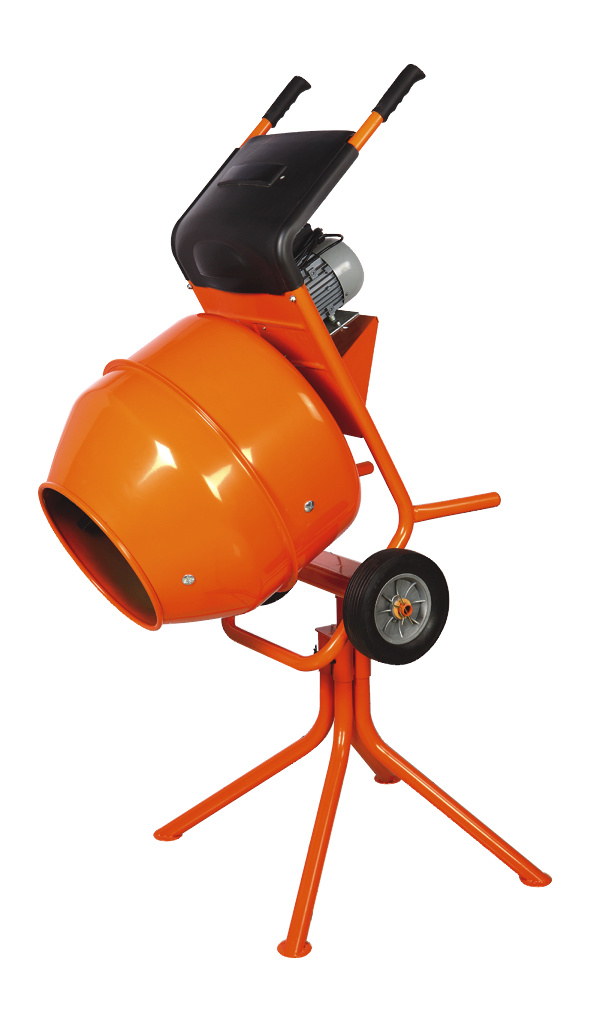
Operating a profitable fleet requires strict adherence to scheduled maintenance rhythms. We must treat daily, weekly, and monthly servicing as entirely non-negotiable tasks. Proper care for your concrete mixer machine prevents catastrophic, mid-pour breakdowns.
Let us detail the standard end-of-shift washout procedures. You must standardize the use of high-pressure water systems. Operators should apply chemical retarders immediately after completing the final pour. These specific chemicals delay hydration times for residual material effectively. This practice prevents microscopic buildup along the internal mixing fins.
Next, prioritize your mechanical and hydraulic system inspections. Mechanics must check roller alignment frequently to ensure smooth rotation. They need to grease trunnion rings on a very strict schedule. Inspect all hydraulic drives for micro-leaks weekly. Catching fluid pressure drops early prevents sudden drive motor failure.
Finally, implement scheduled drum interior audits. Visual inspection protocols catch concrete adhesion early. We want to identify buildup before it cures permanently. Early detection prevents the need for aggressive hydro-demolition services. It eliminates dangerous pneumatic chipping operations from your facility entirely.
Here is a standardized maintenance schedule chart for your fleet:
Service Interval | Maintenance Action | Expected Operational Outcome |
|---|---|---|
Daily (Post-Shift) | High-pressure washout and retarder application | Prevents daily micro-buildup and fin caking |
Weekly | Inspect hydraulic drives and grease trunnions | Identifies micro-leaks; ensures smooth rotation |
Monthly | Interior visual audit and roller alignment check | Catches imbalance risks before hardware failure |
Quarterly | Blade integrity check and thickness measurement | Determines hard-facing or replacement timeline |
Many operators severely underestimate the direct correlation between drum blade integrity and product quality. To run a true batch consistency concrete mixer machine, you absolutely need pristine mixing fins.
Let us examine the basic physics of concrete mixing. Ready-mix relies on a highly precise folding action. The internal drum fins must lift and fold the aggregate continuously. Worn, flattened, or concrete-caked fins fail this basic mechanical task. They cannot fold the heavy materials properly. This failure results in highly inconsistent slump measurements. It guarantees poor material distribution throughout the entire load. Consequently, site inspectors will reject these subpar batches immediately.
Fleet managers must understand the exact ROI of blade replacement. You generally have two options for repairing worn blades. You can hard-face existing blades using specialized arc welding techniques. Alternatively, you can completely cut and replace the fins. Hard-facing extends your blade life cost-effectively. However, once blades lose their original aggressive geometry, total replacement becomes entirely necessary. Maintaining contract-grade batch consistency requires perfect fin geometry. Delaying this routine maintenance costs far more in rejected loads.
Proactive maintenance actually begins before you ever purchase the equipment. Buyers must use strict shortlisting logic when evaluating new transit units. Choosing the right concrete mixer machine specifications directly minimizes your future downtime.
Material selection remains your first and most critical decision. Standard steel drums wear down rapidly under highly abrasive loads. Instead, look for high-tensile, wear-resistant steel alloys during procurement. AR400 or AR500 grade steel resists aggregate abrasion brilliantly. These advanced alloys extend your maintenance intervals significantly. They easily add productive years to your drum's operational lifespan.
Hydraulic and drive system specifications matter just as much as steel thickness. You must evaluate the physical accessibility of the Power Take-Off (PTO). Check the exact placement of gearboxes and hydraulic pumps. If mechanics cannot access these components easily, they will simply skip maintaining them. Accessible hardware guarantees much better compliance with your servicing schedules.
Consider automated cleaning features as a highly valuable specification upgrade. Some modern trucks offer onboard, automated high-pressure washout rings. These integrated systems remove operator error from the daily cleaning process. They ensure a consistent, thorough interior wash after every single job.
We must address the vast gap between theoretical maintenance and job-site reality. Perfect protocols on paper often fail miserably in the field. Drivers face extremely tight delivery schedules. End-of-shift exhaustion leads to rushed or skipped washouts. We need to acknowledge these implementation realities openly to fix them.
Consider the specific chemical versus mechanical cleaning risks. Harsh acid washes clean dirty drums very effectively. However, they introduce severe environmental compliance issues for your yard. They also create significant worker safety hazards regarding skin exposure. Conversely, manual confined-space chipping poses extreme physical dangers. Workers face severe respiratory risks and potential physical injury inside the dark drum.
Fleet managers often fall into the dangerous "run to failure" fallacy. Treating minor hydraulic fluid leaks as acceptable wear is financially dangerous. Ignoring slight roller misalignments causes severe structural damage over time. This negligent approach guarantees the drum will eventually seize on a job. Emergency rescues of fully seized drums cost tens of thousands of dollars.
We must maintain complete assumption transparency here. No maintenance routine eliminates concrete buildup entirely. Our realistic goal is managed, highly predictable removal. We want to avoid emergency intervention at all costs. Regular, minor interventions keep the entire fleet running smoothly.
Your final purchasing decision requires incredibly strict vendor evaluation. You must judge a concrete mixer machine supplier based primarily on post-sale operational support. A great upfront price means nothing without reliable engineering backing.
Investigate their parts availability and shipping lead times closely. A low initial truck cost is completely negated if replacement parts take weeks to ship. Your active fleet cannot afford to wait a month for a new gearbox. Ensure your vendor stocks critical replacement components locally.
Sometimes, engineering for the local environment requires specialized equipment. It often makes sense to invest in a custom concrete mixer machine. Highly abrasive regional aggregates demand much thicker drum shells. Local bridge weight limits might dictate highly specific axle configurations. Customizing the machine build reduces mechanical wear and tear in your specific environment.
Here are the immediate next-step actions for equipment buyers:
Audit your current fleet's monthly repair costs accurately.
Calculate your true annual spending on confined-space pneumatic chipping.
Compare these operational losses directly against the financing costs of new units.
Request strict lead-time guarantees from all potential equipment suppliers.
Cutting unexpected downtime requires a strict, dual-focused approach. You must enforce rigorous daily maintenance protocols across your team. Simultaneously, you need smart, specification-driven procurement strategies. Both elements are absolutely necessary to keep your trucks pouring profitably. Our final recommendation is quite simple. Fleet managers must audit their current chipping costs immediately. Track your rejected-load rates meticulously every single week. Use this hard data to determine your necessary next steps. You will quickly see if you need a cultural operational reset or a complete equipment upgrade. Take decisive action today to protect your long-term profit margins.
A: Continuous rotation keeps the wet concrete in motion, preventing it from settling. Operators also utilize chemical retarders applied directly into the empty drum. These specialized chemicals significantly delay the natural hydration process. Combined with mandatory high-pressure washout protocols between pours, this system reliably prevents residual material from hardening before the shift ends.
A: Most heavily used drums require manual mechanical chipping every three to six months. However, strict daily maintenance drastically alters this timeline. Frequent chemical maintenance and thorough high-pressure washing dramatically reduce buildup. Fleets adhering strictly to preventative wash protocols can often extend the chipping interval to a full year, saving substantial labor costs.
A: Worn mixing blades can definitely be repaired successfully. Mechanics regularly use a proven process called hard-facing to weld new material onto deteriorating fin edges. This extends blade life considerably. If the fins completely lose their structural folding geometry, you can cut them out and weld in replacement blades without replacing the entire steel drum.
A: Roller wear and main gear drive failure rank as the most common mechanical issues. These catastrophic failures almost always stem from uneven drum weight. Hardened concrete buildup creates a severe rotation imbalance. This asymmetrical weight puts excessive, cyclical stress on the trunnion ring and hydraulic drive, eventually tearing the heavy components apart.