English
Views: 0 Author: Site Editor Publish Time: 2026-08-30 Origin: Site


Receiving a defective or non-compliant equipment delivery frequently causes immediate project delays. It creates frustrating logistical nightmares and piles up sunk costs quickly. Once the machinery ships, addressing factory errors becomes an incredibly expensive ordeal. For B2B buyers and project managers, the pre-shipment inspection (PSI) acts as the final safeguard before taking on liability. You cannot afford to simply assume a finished machine perfectly matches your original purchase order. Without physical verification, you expose your entire operational timeline to unnecessary risk. This guide outlines a comprehensive, evidence-based inspection framework. We will show you how to validate performance, structural integrity, and contractual compliance. You will learn exactly what to check before your new equipment ever leaves the manufacturing facility.
Always cross-reference the physical unit against the finalized portable concrete mixer specifications sheet.
Mandate video evidence of a live "dry run" and electrical/mechanical stress tests.
Prioritize weld quality, drum thickness, and chassis durability—especially for units intended for rigorous field transport.
Ensure all compliance documentation, warranties, and spare parts are confirmed before signing the Bill of Lading.
Skipping a rigorous pre-shipment inspection introduces severe financial risks to your operation. You might receive non-compliant or damaged machinery at your job site. If this happens, international return shipping costs will drain your budget instantly. Project downtime also destroys your carefully planned construction schedule. Furthermore, compromised safety features threaten your workforce on the ground. These business problems compound rapidly when you ignore pre-shipment quality control.
Relying solely on factory quality control reports is a fundamental mistake. We call this the "Trust but Verify" principle. Factory inspectors ultimately protect their employer. They naturally want to move inventory out the door as quickly as possible. You need independent, objective verification to protect your capital investment.
Consider two primary inspection formats for your equipment:
Third-Party Audits: You hire independent local inspectors at the manufacturing origin. They act as your eyes and ears directly on the factory floor. They measure components and take objective photographs.
Virtual FAT (Factory Acceptance Testing): You request live, unedited video walk-throughs. The manufacturer demonstrates the equipment in real-time. You direct the camera operator to zoom in on specific welds and components.
You must choose the right format based on your risk tolerance. Do not blindly trust paper reports. Demand visual proof before releasing your final payment.
Your finalized contract often looks very different from the reality on the factory floor. You must take proactive steps to ensure the built unit matches your technical schematics exactly. Start by measuring the drum volume. You need to verify the promised output yield per batch. Ask the inspector to run a measuring tape across the drum diameter on camera. A smaller drum drastically reduces your daily pouring capacity.
Next, conduct comprehensive engine and motor audits. Confirm the specific brand, horsepower, and voltage of the power unit. Check whether it utilizes electric, gas, or diesel power. Substitution of cheaper motors happens frequently in overseas manufacturing. Imagine receiving a unit designed for 220V when your remote site only supports 110V. You would face weeks of delay waiting for an electrical retrofit.
You also need to run strict customization checks. Auditing a custom portable concrete mixer requires extreme attention to detail. Look closely at specialized paint coatings designed for harsh weather. Verify any upgraded gearboxes specified in your order. Measure tailored discharge heights to ensure they fit your specific wheelbarrows or pumps. You must ensure all bespoke engineering requirements were strictly met.
Specification Audit Chart
Component Focus | Contract Requirement | Field Verification Method |
|---|---|---|
Drum Capacity | Specific cubic yard/meter volume | Tape measure diameter and depth on video |
Power Unit | Specified brand, HP, and voltage | Photograph nameplate and serial number |
Paint/Coating | Anti-corrosion marine grade | Request coating thickness gauge readings |
Discharge Height | Custom clearance height | Measure from ground to discharge lip |
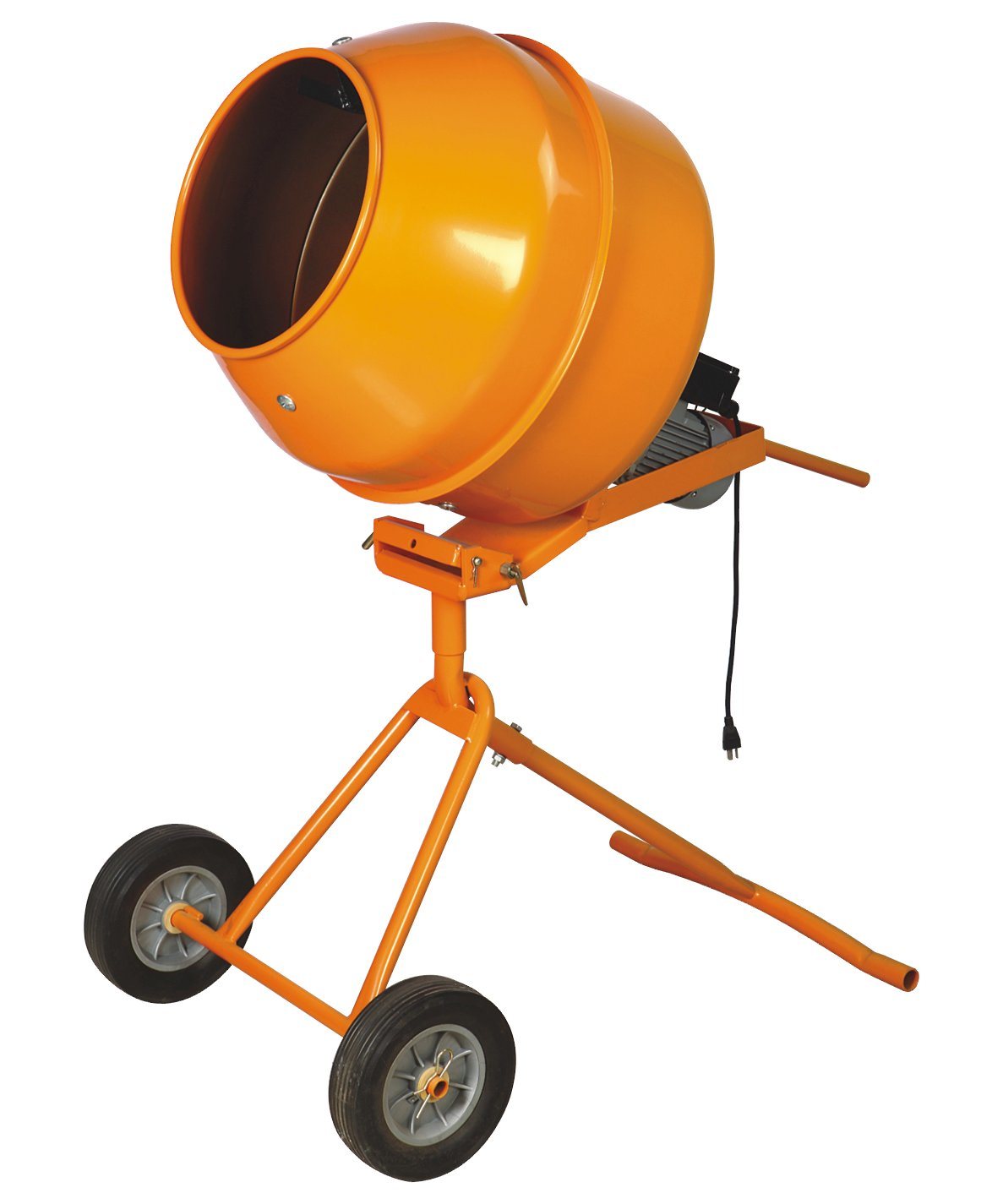
Inspect the drum and blades first. Verify the steel gauge using digital calipers. Drum thickness remains crucial for long-term wear resistance. Abrasive materials like gravel and silica sand quickly degrade thin drum walls. Thin steel warps rapidly under heavy daily use. Inspect the internal mixing blades next. Check for the proper mixing angle. Look for continuous, defect-free welding along every blade edge. Poor welds inevitably break under the extreme stress of heavy aggregates.
Next, evaluate the chassis and towing frame carefully. Assess the structural frame for heavy-duty support. Check the axle alignment from multiple angles. Inspect the suspension components for adequate load capacity. Read the tire load ratings directly from the sidewalls. A portable concrete mixer must withstand brutal transport conditions across unpaved terrain.
Finally, demand operational "dry run" testing. Require a continuous 30-minute operational test on the factory floor. Thirty minutes allows the hydraulic fluid to reach normal operating temperature. This extended timeframe often exposes hidden fluid leaks. Listen closely for abnormal gearbox whining. Pay attention to any strange engine knocking sounds. Test the dumping and tilt mechanism thoroughly. Watch for smooth, unhindered articulation when the drum empties.
Mechanical Testing Parameters
Test Category | Inspection Action | Pass/Fail Criteria |
|---|---|---|
Weld Integrity | Visual inspection of drum and chassis joints | No slag, no porosity, continuous bead |
Steel Thickness | Ultrasonic thickness gauge on drum belly | Matches or exceeds contracted millimeter gauge |
Dry Run Audio | Listen during 30-minute test run | No grinding gears, steady engine RPM |
Tilt Articulation | Operate dump wheel/hydraulics fully | Smooth motion, locks securely in place |
You must evaluate equipment strictly through the lens of the end-user. Field-readiness determines your daily productivity. Assess towability and maneuverability first. Check hitch compatibility carefully before the unit ships. Decide whether you need a pintle ring or a standard ball hitch. Pintle hitches offer better articulation on rough off-road terrain. Ball hitches provide smoother highway towing. Inspect the safety chains for heavy-duty forged hooks. Test the integrated lighting systems for highway transit. Poor lighting causes transit fines and dangerous rear-end collisions.
Prioritize ergonomics and operator safety next. Check the placement of all protective guardrails. Ensure emergency stop buttons remain easily accessible from multiple angles. Verify the securement of all exposed moving parts. Operators need safe access to the drum opening without risking entanglement in the belts.
Setup efficiency directly impacts your daily bottom line. Ensure the mobile crews portable concrete mixer stabilizes quickly on uneven ground. It must become fully operational within your expected timeframe. Avoid accepting units requiring specialized on-site modifications just to stand upright. Fast deployment saves valuable labor hours and keeps your pouring schedule on track.
Do not authorize shipment without a strict documentation audit. Use a formal checklist for all required paperwork. Demand Certificates of Conformity before final payment. These include CE, ISO, or relevant regional equivalents. Customs agents routinely seize heavy machinery lacking proper compliance documentation. Request all operator manuals in your native language. Secure the detailed electrical and hydraulic schematics. You cannot properly service the machine years later without these critical documents.
Next, verify spare parts and accessories visually. Ensure all agreed-upon wear parts actually sit inside the shipping crate. Look specifically for extra drive belts, replacement blades, and spare oil filters. Suppliers often forget to pack these promised items.
Clarify warranty activation details immediately. Determine exactly when the warranty period begins. Suppliers often claim the warranty starts the day the ship leaves the port. Negotiate for delivery-day activation instead. Understand exactly how your portable concrete mixer supplier handles international cross-border claims. You need to know who pays for replacement part shipping.
Establish clear shortlisting logic for next steps. If the inspection fails, outline the exact remediation timeline. Dictate how many days the factory gets to fix the errors. Enforce contract penalty clauses before you allow any re-inspection.
A rigorous pre-shipment inspection remains a completely non-negotiable step in heavy machinery procurement. It protects your working capital and secures your strict project timelines. Base your final shipment approval entirely on empirical data and concrete measurements. Rely on clear visual evidence rather than written promises. Demand strict adherence to all finalized specifications. Never accept vague supplier reassurances when your project budget is on the line.
Take these action-oriented next steps today:
Download a comprehensive, itemized pre-shipment QC checklist for your procurement team.
Establish clear video angle parameters for your next virtual factory acceptance test.
Contact an experienced engineering team to discuss structural requirements for your next custom equipment order.
A: Paint and coating flaws often hide poor, porous welds. We frequently find misaligned chassis frames that cause severe towing instability. Incorrect motor voltage installations also rank among the most common defects, which can fry electrical systems upon arrival.
A: For high-volume or highly customized orders, we strongly recommend hiring a third-party inspector. They provide unbiased, hands-on verification. For standard single units, a live, strictly directed virtual FAT is often sufficient, provided you control the camera movements.
A: Request ultrasonic thickness gauge readings on live video. Have the inspector check multiple points across the drum belly. Additionally, demand official material composition certificates from the supplier's raw steel provider to confirm the exact metal grade.