English
Views: 0 Author: Site Editor Publish Time: 2026-08-21 Origin: Site


Manual parts cleaning remains a demanding and dirty job. More importantly, it acts as a measurable leak in workshop profitability. Every hour technicians spend scrubbing components is an hour lost. They should be turning wrenches and completing billable repairs instead. Historically, facilities relied heavily on manual solvent sinks. Now, modern automated systems offer a highly scalable path forward. Upgrading your equipment fundamentally changes workshop dynamics. We will explore exactly how evaluating a workshop cleaning industrial parts washer shifts maintenance from a slow bottleneck into an efficient process. You will learn the core business case for automation. We also cover mechanical technologies and critical specifications. Ultimately, this guide helps you navigate supplier vetting and compliance realities successfully. By implementing the right solution, you reclaim lost revenue. We provide pragmatic insights to help you choose wisely.
Automating parts washing recovers high-value technician hours, directly impacting workshop throughput and revenue.
Selecting the right equipment requires matching chemical (aqueous vs. solvent), thermal (hot wash), and mechanical action to your specific contaminant types.
Clearly defined industrial parts washer specifications (weight capacity, GPM, footprint) prevent under-sizing or over-investing.
Partnering with a reliable industrial parts washer supplier mitigates long-term compliance, maintenance, and waste-disposal risks.
Many shop managers view parts washing solely as an unavoidable chore. This perspective hides a massive financial drain. To optimize profitability, we must evaluate the business problem accurately. Success criteria depend on measurable operational improvements rather than superficial cleanliness. You need hard data to justify equipment upgrades properly.
Reallocating skilled labor represents your largest immediate financial gain. Consider a seasoned technician earning premium hourly wages. Paying them to scrub oily gears wastes valuable resources. Manual degreasing forces highly paid experts into low-value labor. Compare this hourly cost against automated system capabilities. Automated units allow operators to load dirty components quickly. They simply press start and walk away immediately. Technicians return to perfectly clean parts later. Meanwhile, they finish other highly profitable diagnostic tasks. This single operational shift recovers dozens of billable hours monthly.
Automated processes also enforce strict operational consistency. Mechanized washers eliminate human error entirely. Fatigue causes manual cleaning quality to drop by late afternoon. Automated machines never tire. They apply the exact same pressure, heat, and chemicals every cycle. This uniformity ensures exceptional quality control across all shifts. It prevents costly rework on complex mechanical assemblies. Leftover debris destroys newly rebuilt engines rapidly.
Modern closed-loop solutions drive down chemical expenses significantly. Progressive facilities rapidly shift toward these advanced systems. They reduce the recurring costs of toxic solvent replacement. Solvents evaporate quickly and require constant top-offs. Furthermore, aqueous units drastically cut hazardous waste hauling fees. Eliminating toxic waste streams improves your bottom line directly.
We recommend establishing a clear success metric before purchasing. Good metrics include:
Technician hours saved per week.
Reduction in monthly hazardous waste disposal fees.
Measurable increase in weekly repair throughput.
Decrease in component rework due to contamination.
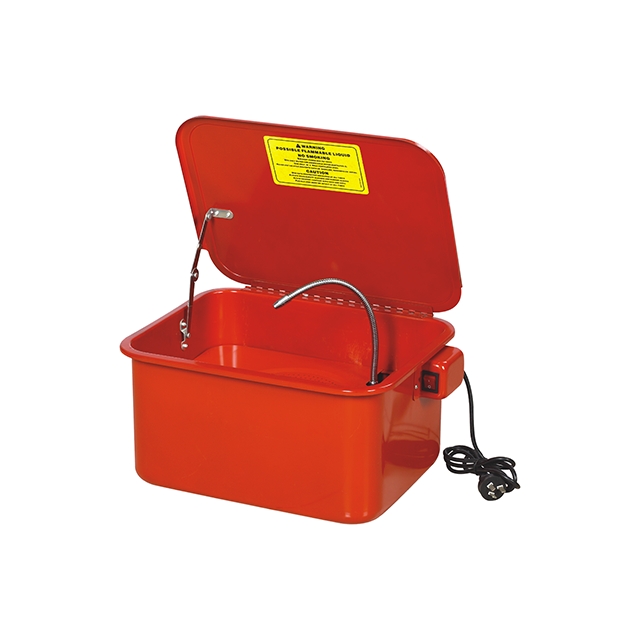
Evaluating an industrial parts washer requires understanding realistic capability boundaries. Different soil types require highly specific cleaning mechanics. Buying the wrong technology guarantees poor results.
Mechanic forums frequently discuss a historical reliance on petroleum-based solvents. Traditional solvents dissolve heavy oil very quickly. However, they introduce severe facility ventilation issues. They also pose significant long-term health hazards. Evidence heavily favors modern aqueous systems today. These systems combine high heat, pressurized water, and alkaline detergents. They break down stubborn grease molecules effectively. Aqueous solutions match solvent efficacy completely. They significantly reduce volatile organic compound (VOC) emissions. Furthermore, they improve your overall environmental compliance profile. Insurance companies often reward facilities moving away from flammable solvents.
You must select the right approach for your specific workload. Every facility processes different component types daily.
Manual and Spray Washers: These work best for low-volume operations. They easily handle specialized or uniquely oversized parts. Operators maintain direct visual control over the cleaning process.
Automatic Cabinet Washers: These serve as the gold standard for automotive shops. They utilize intense water pressure combined with continuous part rotation. They clean heavy transmission cases and engine blocks effortlessly.
Ultrasonic Cleaners: Complex internal geometries require highly specialized care. Ultrasonic units create microscopic cavitation bubbles. These bubbles implode against surfaces violently. They clean blind holes inside carburetors and hydraulic manifolds perfectly.
We provide a quick summary chart mapping technology to application below.
Technology Type | Primary Action | Best Application Scenario |
|---|---|---|
Aqueous Cabinet | High Pressure & Heat | Heavy engine blocks, high-volume batches |
Ultrasonic Tank | Cavitation Wave Implosion | Intricate internal channels, delicate components |
Manual Sink | Operator Manual Agitation | Occasional use, single-part spot cleaning |
Understanding evaluation dimensions helps map specific features to business outcomes. Buying based on external footprint alone causes severe production bottlenecks. You must establish clear industrial parts washer specifications before talking to vendors.
Load capacity and internal working dimensions dictate real-world usability. Evaluate turntable weight limits carefully. A cabinet might fit a large engine block dimensionally. However, its internal motor might fail under extreme weight. Overloading causes rapid and expensive equipment degradation. Always account for the heaviest possible component your shop handles. Buy a machine rated for slightly more weight than you need.
Pump performance directly dictates overall cleaning power. Buyers often confuse high pressure and high flow capabilities. High PSI strips deeply bonded contaminants off metal surfaces. High GPM (gallons per minute) flushes away loose debris rapidly. Heavy baked-on grease requires immense stripping power. Conversely, sandy sludge inside a differential needs high fluid flow. Balance these metrics according to your common contaminants.
Heating elements define your hot wash capabilities entirely. Thermal dynamics play a massive role in aqueous cleaning. Light machining oils wash away at lower temperatures easily. Conversely, heavy industrial grease demands extreme heat. You often need temperatures exceeding 160 degrees Fahrenheit. This intense heat melts viscous grease for easy removal.
Filtration and skimming systems maintain vital fluid health. Disk or belt oil skimmers remove floating hydrocarbons effectively. High-capacity particulate filters trap damaging solid debris. These systems extend expensive bath life considerably. They drastically reduce chemical fluid consumption overall. They also cut messy maintenance intervals drastically.
Below is a breakdown of how hardware features impact daily operations.
Specification Feature | Direct Operational Impact |
|---|---|
Turntable Weight Limit | Prevents motor burnout during heavy block washing cycles. |
High GPM Rating | Determines how fast loosened sludge flushes away permanently. |
Maximum Temperature Rating | Dictates the ability to melt heavy baked-on grease completely. |
Micron Filtration System | Keeps wash fluid cleaner, extending time between expensive change-outs. |
Trust builds through transparent operational realities. Upgrading your shop requires planning far beyond the initial purchase order. Preparing your facility prevents costly installation delays.
Facility readiness requires immediate and serious attention. Many automated industrial cabinets demand high-voltage 3-phase power upgrades. You also need adequate overhead ventilation systems installed. Aqueous machines operating at high heat produce significant steam. Accessible fresh water supply lines remain critical. Proper floor drainage access represents a non-negotiable facility requirement.
Environmental and safety compliance remains a constant reality. EPA regulations govern industrial wastewater disposal very strictly. You cannot dump untreated wash water down a standard drain. Heavy fines await facilities violating local water ordinances. OSHA scrutinizes workplace VOC emissions and operator safety closely. Hot wash systems present genuine physical burn risks. Proper personal protective equipment protects your workforce. Machine safety interlocks prevent doors opening during active spray cycles.
Maintenance overhead deserves complete transparency before purchase. Machines do not run indefinitely without dedicated care. They require strict daily and weekly maintenance routines. Technicians must clean intake pump filters regularly. They need to empty oil skimmer buckets to prevent messy overflows. Checking and adjusting chemical detergent concentrations ensures consistent cleaning power. Skipping these basic steps leads directly to premature machine failure. Document these procedures in your standard operating guidelines.
Shortlisting vendors requires clear logic and rigorous questioning. A trustworthy partner focuses heavily on your operational needs. They avoid high-pressure hard selling tactics entirely.
A rigorous needs assessment indicates supplier reliability. A good vendor always asks for dirty part samples upfront. They run real-world test washes before recommending specific catalog units. They prove their equipment works on your unique soils visually. Never buy a machine without seeing a test wash first.
Determine whether standard or modified equipment fits best. Standard automated cabinets cover most general machining needs efficiently. They offer proven reliability and immediate parts availability. However, complex manufacturing environments often require extensive modifications. A custom industrial parts washer becomes necessary for unique conveyor integrations. Specialized aerospace materials also demand tailored chemical handling and drying cycles.
Post-sale support defines your long-term success entirely. Evaluate warranty terms comprehensively before signing any purchasing contracts. Look for exclusions regarding pumps and heating elements. Confirm the immediate local availability of critical replacement parts. Finally, check local service technician response times carefully. Machine downtime halts your repair production lines immediately. Fast service support remains absolutely critical. Finding the right industrial parts washer supplier ensures you gain a true partner.
Upgrading your facility cleaning equipment represents a highly calculated throughput investment. It moves far beyond being a simple shop cleanliness luxury. Automation recovers highly billable hours immediately. It enforces rigorous quality control across all technician shifts. Embracing this technology modernizes your facility operations fundamentally.
We highly encourage you to audit your current weekly cleaning hours. Track exactly how much time technicians waste at the solvent sink. Identify your most stubborn contaminant types accurately. Gather this hard data before requesting test washes or initial quotes.
Actionable Next Steps:
Audit and track technician hours spent scrubbing parts this week.
Identify whether your soils require intense stripping (pressure) or high-volume flushing (flow).
Verify current facility electrical power, ventilation, and drainage capacities.
Send representative sample parts to shortlisted vendors for validation testing.
A: Fluid lifespan varies based on several operational factors. High filtration quality and active oil skimmer usage extend bath life significantly. Heavy daily soil loading degrades the chemical fluid faster. Most well-maintained systems require full fluid replacement every four to eight weeks. Adding automatic chemical dosers helps maintain optimal detergent concentration, further extending usefulness.
A: Yes, they perform exceptionally well across heavy industries. Aqueous systems bridge the effectiveness gap by utilizing extreme heat and intense mechanical agitation. Specialized alkaline detergents break stubborn molecular bonds in heavy grease safely. High-pressure water jets then strip away the loosened debris completely, often outperforming cold solvent sinks.
A: Standard automated cabinets handle ninety percent of automotive and general machining applications effortlessly. You generally only need custom builds for highly unique component footprints. Continuous inline manufacturing integrations also require bespoke engineering. Extreme weight requirements exceeding standard catalog specifications justify a custom approach. Otherwise, standard units provide optimal value.