English
Views: 0 Author: Site Editor Publish Time: 2026-02-02 Origin: Site


Is DIY concrete really cheaper, or does it only look cheaper at checkout? Many projects run over budget because we price materials first, then forget labor time, staging effort, and cleanup. We also miss how placement speed changes the final bill, especially when the job grows beyond a few small batches.
In this article, we compare bagged mix against ready-mix using total installed cost. You will learn a quick decision rule based on volume and crew time, plus a simple cost checklist you can reuse on future jobs. We will also show how a concrete mixer can shift the break-even point by speeding batches and improving mix consistency, and we will briefly reference D&J as an example of DIY-focused mixer features that support small pours.
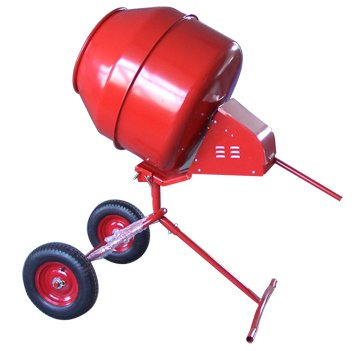
Volume guides most choices because labor rises faster than material cost. Under one cubic yard, bagged mixing often stays practical. Beyond that point, repeated batching becomes time-heavy and ready-mix usually lowers total job cost. Near this boundary, placement speed matters most: fast placement keeps DIY efficient, while slow placement makes batching the bottleneck. A concrete mixer helps here by reducing downtime and keeping output steady.
Material price alone hides real cost. Concrete is time-sensitive, so workflow affects both budget and quality. Delivered-and-placed thinking asks a better question: what is the cheapest way to get workable concrete into forms. This approach improves labor forecasting, reduces rework, and makes supplier quotes easier to compare, shifting focus from unit price to finished cost.
Most decisions change because of three factors: delivery rules that add small-load fees, labor hours that rise on large DIY pours, and mix consistency that impacts finishing quality. Pricing these early keeps decisions objective and gives both homeowners and contractors a clear cost framework.
Cost driver | DIY mixing using a concrete mixer | Ready-mix purchase |
Fees and minimums | Often none for small jobs | Can add cost on tiny loads |
Labor hours | Can rise fast as volume grows | Often lower due to fast delivery |
Batch consistency | Strong if batching stays disciplined | Often steady across the whole load |
A concrete mixer adds value on repeated small batches by reducing manual effort, improving consistency, and limiting fatigue. This helps crews keep steady output, especially when one person mixes while another places. D&J positions its mixers for DIY use and highlights efficiency gains, along with practical features like mobility wheels and safety locks that support smoother workflow.
Ready-mix may cost more per yard, yet it often cuts labor hours and placement time. When crew rates rise or schedules tighten, these savings can outweigh material price. Once time and coordination are included, ready-mix often becomes the better choice for larger pours, particularly slabs that need continuous finishing.
Before contacting suppliers, it helps to run a quick decision process. This simple framework lets you compare DIY mixing and ready-mix using volume, labor, and repeat usage, so pricing stays objective instead of emotional.
● Step 1: Estimate project volume
Calculate total concrete needs and identify whether the job sits below or above roughly one cubic yard.
● Step 2: Evaluate placement speed
Consider how fast your team can place concrete and how batching rhythm affects workflow.
● Step 3: Compare DIY versus ready-mix costs
Price bagged materials plus labor hours, then compare them against early ready-mix quotes.
● Step 4: Assess concrete mixer impact
Decide whether a concrete mixer can reduce labor enough to change the overall cost outcome.
● Step 5: Review repeat demand for business sourcing
Estimate how often similar pours occur each month, since repeated use improves mixer ROI and drives procurement savings.
Bagged concrete is easy to buy and scale for small jobs. A common estimate uses 80-pound bags, with roughly forty-five bags per cubic yard, though local prices vary. Even when material cost looks low, labor and handling often change the outcome.
On site, bags still need moving, opening, measuring, and staging, which takes time and energy. Water control also affects workability and finishing. A concrete mixer reduces manual mixing effort, but loading, batching, and cleanup remain part of the workflow.
Ready-mix price structure: material, delivery, and minimum expectations
Ready-mix pricing usually combines per-yard material cost with delivery fees. Small orders may trigger minimum load charges, and trucks may bill waiting time. These terms differ by supplier, so a clear quote breakdown is essential for fair comparison. Ready-mix also improves consistency, which lowers risk and supports smoother finishing.
Hidden costs often decide which option is truly cheaper. DIY mixing can require extra tools and longer cleanup, all counted as labor. Ready-mix reduces on-site mixing work, though placement and finishing tools are still needed. Pricing these items early prevents surprises and leads to better purchasing decisions.
Below is a simple comparison table teams can reuse during planning.
Cost category | DIY mixing using bagged material | Ready-mix purchase |
Material price visibility | High, easy to see per bag | Medium, depends on quote details |
Labor hours sensitivity | Grows fast as volume rises | Often lower due to faster placement |
Tool needs | Often includes mixer, staging, washout | Mostly placement and finishing tools |
Consistency control | Good when batching is disciplined | Often strong across the full delivery |
Cleanup effort | Higher due to mixing equipment | Lower mixing cleanup, still needs washout plan |
DIY mixing performs best on small-scale projects where delivery fees feel out of proportion and flexibility matters. These jobs allow crews to mix only what they need, control timing on site, and limit leftover waste. For contractors, these tasks often appear as service work, where a repeatable batching routine helps protect margins and fit multiple stops into one day.
Project type | Why DIY mixing works well | Operational benefit |
Fence posts | Small volume per pour and flexible timing | Minimal waste and fast setup |
Small pads | Easy to batch in short cycles | Predictable placement rhythm |
Minor repairs | Precise quantity control | Reduced material leftovers |
Short walkways | Manageable sections for staged mixing | Stable quality and smoother scheduling |
Batch planning is where a concrete mixer delivers real value. Instead of slowing down from hand mixing, crews can maintain steady batch flow, which supports smoother placement and finishing. This also improves team coordination, since everyone knows when the next batch is ready.
D&J positions its concrete mixers for DIY use and highlights improved working efficiency. Features such as mobility wheels and safety lock pins help support smoother on-site movement and reduce disruption when shifting between staging and forms.
DIY costs stay controlled when key variables remain consistent. Keep materials staged in one area, use the same water measure for each batch, and track how many bags fill one section so results stay repeatable. Plan cleanup before mixing begins, because hardened concrete increases labor later. Combined with disciplined staging and a concrete mixer, DIY mixing becomes faster, more consistent, and easier to manage.
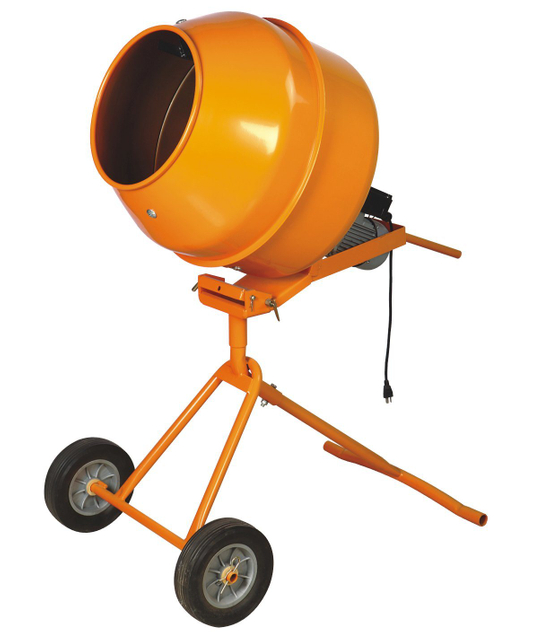
As pour size increases, DIY mixing quickly becomes time-intensive, especially on projects that require continuous placement to avoid seams and uneven surfaces. In these cases, ready-mix often reduces pressure on crews by delivering large volumes in a short window, allowing teams to focus on placement and finishing instead of constant batching.
Project type | DIY batching impact | Ready-mix advantage |
Patios | Mixing consumes most work time | Fast delivery supports continuous placement |
Driveways | High labor demand from repeated batches | Smoother screeding and finishing |
Slabs | Scheduling becomes harder to manage | Concrete stays workable during placement |
Speed saves money because it reduces labor hours and coordination costs. Faster placement can also reduce the chance of cold joints and uneven curing across sections. When the pour is continuous, finishing often becomes smoother, which lowers the risk of return visits. Even if the ready-mix ticket is higher, the total job cost can still be lower.
This is also a reliability issue, not only a cost issue. Clients often care about when the job finishes, not how the mix arrived. When you can complete the pour in one planned window, you build trust and reduce schedule conflicts. That is a strong EEAT signal in real-world service delivery.
Wheelbarrow mixing fits very small jobs, but output drops once batches repeat. A portable concrete mixer improves consistency and reduces strain, helping small teams maintain steady flow. Break-even depends on frequency: rental suits rare work, while ownership makes sense for weekly or monthly mixing, where repeat use drives ROI.
Capacity should match placement speed, not peak volume. Small drums suit posts and repairs, while mid-size drums support walkways and repeated pours. D&J offers mixer capacities from 120L to 400L, showing how size aligns with job type. Power choice follows the same logic: electric fits powered sites, engine suits remote work, and D&J provides both to match real conditions.
ROI comes from smooth process, not hardware alone. Mobility wheels, safety locks, and simple staging layouts reduce wasted motion and keep batches moving. These upgrades shorten mixing cycles, stabilize placement rhythm, and improve on-site consistency.
Here is a simple checklist you can apply to any job that uses a concrete mixer. It focuses on small process changes that often produce large savings.
● Place the mixer on level ground near the forms
● Stage bags and aggregate in a clean, dry zone
● Use marked buckets for water and additives
● Keep a washout plan ready before the first batch
● Assign one person to batch control when quality matters
Accurate estimates prevent waste and delays. For slabs, use length × width × thickness, then convert to your supplier’s unit and add a small buffer. Always confirm edge thickness, borders, beams, and same-day footings, and keep notes for faster future estimates.
Overage should protect workflow, not raise cost. Extra bags help DIY avoid shortages, while excess ready-mix can become waste. Plan small buffers and assign leftover concrete to minor pads or repairs so material adds value instead of loss.
Item to measure | What to record | Why it matters |
Length and width | Finished slab dimensions | It drives volume more than any other factor |
Thickness | Target thickness plus edge details | It affects volume and finishing effort |
Extra features | Thickened edges, beams, footings | They add hidden volume and cost |
Site access | Distance from drop point to forms | It changes labor time and fatigue |
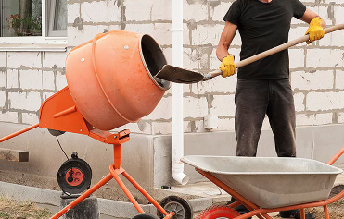
Fence posts are a typical DIY win because batches stay small and workflow remains flexible. Staged bags and short mixing cycles keep output stable, while a small concrete mixer reduces manual effort and supports one-person operation. Ready-mix rarely fits this case, since delivery and minimum fees dominate cost at very low volume.
Patio size often reveals the tipping point between DIY mixing and ready-mix. Access distance, placement speed, and finishing continuity all influence labor cost, making small and large patios behave very differently in real projects.
Patio size | DIY feasibility | Key labor impact | Ready-mix advantage | Project risk |
Small patio | Works when access is easy and placement is fast | Hauling distance quickly raises labor | Moderate benefit | DIY savings shrink if access is poor |
Large patio | Batching becomes main time drain | High coordination and fatigue | Supports continuous finishing and schedule | Uneven results increase callbacks |
Clean pricing starts with consistent questions. Ask for material rate per yard, delivery fees, minimum load rules, short-load charges, included unload time, wait-time rates, and delivery windows. Using the same script across suppliers improves comparison, strengthens negotiation, and builds a pricing database for future jobs.
Small contractors handling posts, repairs, and pads often work below one cubic yard and need flexible schedules. In this pattern, a concrete mixer improves batching speed and keeps results consistent across sites. D&J positions its mixers for DIY use and highlights efficiency gains over manual mixing, along with electric or engine power options and capacity ranges from 120L to 400L. For these teams, the value lies in completing more small jobs per week, which delivers measurable gains in productivity and service reliability.
Mixing your own concrete can cost less on small pours, but total installed cost should guide decisions. Volume comes first, because labor rises faster than material price, and under one cubic yard, DIY often stays efficient when batching runs smoothly. As volume increases, ready-mix usually saves labor and protects schedules. A concrete mixer improves speed and consistency on small-to-mid pours, boosts ROI on repeat jobs, and helps teams control pricing through one simple checklist covering volume, labor, tools, and cleanup.
D&J International ( H.K ) Limited supports this workflow through concrete mixer solutions designed for efficiency and repeat use. Their product range helps teams place faster, maintain consistent output, and simplify on-site operations. Combined with service support, this approach delivers real value for contractors and buyers who want predictable performance and lower total project cost.
A: It depends on total installed cost, not just material price. Small pours often favor DIY, while larger volumes usually favor ready-mix. Labor time, cleanup, and placement speed matter. A concrete mixer can shift the break-even by improving batch efficiency.
A: A concrete mixer reduces manual labor and keeps batches consistent. It helps crews work faster and with less fatigue. On repeat jobs, equipment cost spreads across projects, which improves ROI and makes pricing more predictable.
A: Use a concrete mixer when you need multiple batches or steady output. It supports better rhythm and uniform mixes. Hand mixing fits very small jobs, but productivity drops fast as volume grows.
A: Around one cubic yard is a common tipping point. Below that, DIY can stay cost-effective if batching runs smoothly. Above that, ready-mix often saves labor hours and protects schedules, which lowers total job cost.
A: Yes, a concrete mixer improves throughput on posts, repairs, and small pads. It keeps work consistent across sites and reduces downtime. That lets crews finish more jobs per week while maintaining quality.
A: Always include labor, tools, cleanup, and small overage planning. Material price alone gives an incomplete picture. A concrete mixer also adds value through speed and consistency, so include its impact on labor hours.