English
Views: 0 Author: Site Editor Publish Time: 2026-01-26 Origin: Site


Mixing concrete in a mixer is key to creating strong and durable structures, whether you're working on a small DIY project or a large-scale construction job. A concrete mixer ensures that the cement, sand, and aggregates blend evenly, giving you the perfect consistency every time.
In this article, we’ll explore how to mix concrete in a mixer effectively. You’ll learn the benefits of using a concrete mixer, the types available, and the step-by-step process to achieve the best results for your projects.
A concrete mixer is a machine designed to combine all the ingredients needed for making concrete—cement, water, sand, and aggregates. The mixer blends these components together, creating a smooth, uniform mixture.
The mixer comes in various types and sizes, each suited for different scales of work. It helps ensure that the concrete is consistent in texture and strength, which is crucial for the integrity of your construction projects.
Concrete mixers come in several types, each designed for specific tasks. The most common types include drum mixers, pan mixers, and mortar mixers. Here is a more detailed breakdown:
Type of Concrete Mixer | Description | Ideal Use |
Drum Mixers | The most common type. These feature a rotating drum that mixes the ingredients, ideal for large batches. | Large-scale construction and DIY projects. |
Pan Mixers | These have a flat mixing pan with rotating blades. They offer precise mixing, making them great for small batches. | Small batch mixing and precision work. |
Mortar Mixers | Designed for mixing mortar or thin concrete. They are commonly used for masonry applications where fine mixtures are needed. | Masonry and specialized concrete mixing. |
Using a concrete mixer guarantees that your mix is smooth, uniform, and consistent. Unlike manual mixing, which can be physically demanding and time-consuming, a mixer provides the following benefits:
● Efficiency and Consistency: A concrete mixer ensures that your mix is consistently blended, providing a high-quality result each time.
● Time-saving Benefits: A mixer can handle large batches quickly, which is perfect for large projects.
Note: D&J’s concrete mixers, available in various sizes from 120L to 400L, offer a reliable solution for mixing concrete quickly and efficiently.
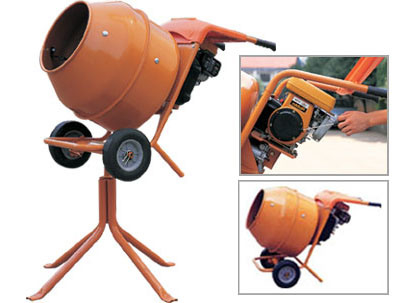
Before you start mixing concrete, gather the necessary tools and materials. These include a concrete mixer, a wheelbarrow or bucket for transporting the mix, water, protective gear, and graduated buckets for accurate water measurement. Here's a quick look at the tools you'll need:
Tool | Purpose |
Concrete Mixer | Blends cement, water, sand, and aggregates evenly. |
Wheelbarrow | Transports the mixed concrete to the pour site. |
Water and Buckets | Measures and adds the right amount of water for mixing. |
Protective Gear | Ensures safety while mixing (gloves, eye protection). |
● Cement: The main binder in concrete.
● Sand: Fine aggregates that help create the concrete's texture.
● Aggregates (gravel or crushed stone): Coarse aggregates provide strength and bulk to the mix.
● Water: Activates the cement and allows the mix to harden.
Before starting, ensure that the mixer is set up on level ground and in good working condition. It’s essential to check that the drum is clean and free from any leftover residue from previous use. A clean mixer ensures a smoother mixing process and prevents contamination of your new mix, which could affect its strength and consistency. Always perform a quick inspection to ensure all parts are functioning properly before use.
Begin by adding about 50-75% of the required water into the mixer. This helps prevent the mix from sticking to the sides of the drum and aids in smoother blending. Adding water first ensures that the dry ingredients mix more evenly and efficiently, preventing clumping. It's essential to follow the water-to-cement ratio provided on the product packaging for optimal results.
Once the water is in the drum, add the dry ingredients (cement and aggregates). Allow the mixture to combine for about a minute to ensure the materials begin to blend. This step is crucial as it helps to evenly distribute the dry materials throughout the water. Proper mixing at this stage helps prevent any dry patches or lumps from forming in the final mix.
After the initial mix, it’s time to adjust the consistency. The concrete should have a texture similar to thick porridge, which makes it easier to work with. If the mixture is too dry, it will be hard to shape and finish, while a mixture that’s too wet will be weaker and harder to control. To check the consistency, grab a handful of the mix; it should hold its shape when squeezed but crumble easily when touched. Adjust water levels gradually, mixing between additions, until the perfect consistency is achieved.
Tip: D&J mixers are designed to allow for easy adjustments, ensuring you can get the perfect mix every time.
Continue mixing for about 3-5 minutes to ensure the concrete is fully combined. This helps ensure that all the ingredients are properly blended, which is vital for the concrete's strength and durability. Once you’ve achieved the desired consistency and uniformity, stop the mixer and prepare to pour the concrete into your mold or onto the worksite. Ensure the mix remains workable and doesn’t set too soon.
When mixing concrete, safety is a priority. Always wear the following protective gear:
● Gloves: Protect your hands from harsh chemicals and rough surfaces.
● Eye Protection: Prevent dust and concrete splashes from harming your eyes.
● Dust Mask: Concrete dust can be harmful to your lungs, so wearing a mask is essential.
Concrete mixers are powerful machines, so safety precautions are necessary:
● Keep Hands and Tools Away from Moving Parts: Never reach into the drum while the mixer is running.
● Avoid Common Accidents: Always check the mixer before use and ensure that there are no loose parts or obstructions.
Safety Gear | Purpose |
Gloves | Protects hands from chemicals and rough surfaces. |
Eye Protection | Prevents dust and splashes from harming eyes. |
Dust Mask | Protects lungs from harmful concrete dust. |
Hands Away | Avoids injury from moving parts of the mixer. |
Once the concrete is mixed, you need to transfer it to the area where it will be poured. Using a wheelbarrow or bucket is the best method for safe and efficient transport. It is essential to ensure that the container is stable and that you are lifting correctly to avoid strain or injury. If you're working on a larger project, you may want to consider using a conveyor system to move the concrete faster and more efficiently.
Method of Transport | Detail |
Wheelbarrow | Ideal for small to medium projects; ensures stable transport. |
Bucket | Good for transporting smaller batches or in confined spaces. |
Conveyor System | Best for large-scale projects; allows faster and more efficient transport. |
When pouring the concrete, make sure to distribute it evenly across the surface to avoid uneven surfaces or areas of weakness. Pour slowly and carefully to ensure there is no spillage, and that the concrete spreads uniformly. Proper pouring also helps maintain the integrity of the concrete mix, ensuring that it sets correctly and is strong enough for the intended purpose. Take your time to ensure each section is thoroughly covered.
Cleaning your concrete mixer after each use is essential for maintaining its efficiency and lifespan. Leftover concrete can harden inside the drum, creating clogs and making it difficult to use the mixer in the future. Cleaning the mixer immediately after each use prevents buildup and ensures smooth operation during your next project. A well-maintained mixer works better and lasts longer, saving you time and repair costs in the long run.
1. Remove Leftover Concrete: Run water through the mixer to flush out any remaining concrete. This helps remove the bulk of the material.
2. Use Gravel: Add gravel into the drum and run the mixer for a few minutes. The gravel helps break up any stubborn bits of concrete that might have hardened inside the drum.
3. Dry and Inspect: After cleaning, dry the drum to prevent rust and thoroughly inspect the mixer for any damage or wear. Check for any parts that may need replacement or repair to keep your equipment in optimal condition.
Tip: D&J mixers come with easy-to-use cleaning features, ensuring that post-mixing maintenance is quick and hassle-free.
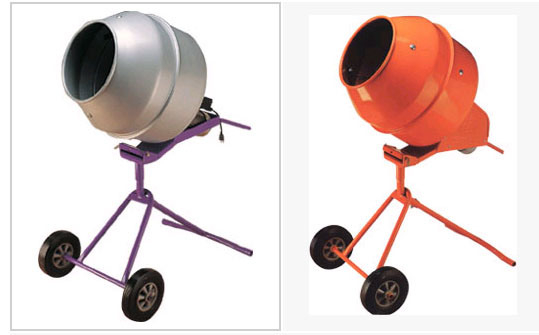
If the concrete is too wet, add small amounts of dry mix gradually until the desired consistency is achieved. If the mix is too dry, add more water slowly, mixing thoroughly between additions. Always aim for a thick, workable consistency that can hold its shape when squeezed but crumbles easily with a light touch. Achieving the right balance is essential for strong, durable concrete.
Occasionally, a concrete mixer may face malfunctions, such as motor failure or mixing inefficiency. To prevent these issues, ensure that the mixer is regularly maintained and that the drum is free of blockages or debris. Inspect the mixing blades to ensure they are in good condition and moving freely. If problems persist, consult the manufacturer's guidelines for troubleshooting or contact customer support for assistance. Regular checks help avoid larger issues down the road.
Mixing concrete in a mixer is the most efficient way to achieve consistent results for your construction projects. Proper preparation, attention to detail, and safety are key to ensuring high-quality concrete. For durable, high-performance mixers, D&J International (H.K) Limited offers reliable solutions trusted by professionals worldwide. Their mixers provide efficiency and reliability, making them ideal for both DIY and industrial applications.
A: A concrete mixer is a machine used to combine cement, sand, aggregates, and water to form concrete. It ensures a consistent mixture, saving time and effort compared to manual mixing. Using a concrete mixer is crucial for large-scale projects where precision and uniformity are required.
A: To mix concrete in a concrete mixer, start by adding water, then gradually add the dry mix of cement and aggregates. Allow the ingredients to blend for a few minutes. Adjust water levels to achieve the desired consistency, and mix for 3-5 minutes for uniform results.
A: Yes, concrete mixers are versatile and can be used for small DIY projects, such as patios or garden paths. D&J’s concrete mixers, for example, are compact yet powerful enough to handle both small and large batches efficiently.
A: The cost of a concrete mixer depends on its size and features. For a small, portable mixer, prices generally range from $200 to $1,000. Larger, industrial-grade models may cost more. D&J International (H.K) Limited offers mixers with great durability at competitive prices.
A: Using a concrete mixer ensures consistent, high-quality concrete with minimal effort. It also saves time, especially when mixing large quantities, and helps avoid inconsistencies in manual mixing. D&J’s mixers are designed for efficiency and reliability, making them ideal for various projects.
A: If the mix is too wet, add more dry ingredients like cement or aggregates. If it's too dry, gradually add small amounts of water until the desired consistency is reached. A concrete mixer makes this adjustment process easier and faster.