English
Views: 0 Author: Site Editor Publish Time: 2026-01-29 Origin: Site


Concrete mixers are essential in construction, blending cement, water, and aggregates to create concrete. Whether you're working on a small DIY project or overseeing a major construction job, knowing how much a concrete mixer costs is vital. The price can vary based on several factors, including size, power source, and intended use. In this article, we’ll explore these factors, helping you make an informed decision when choosing a concrete mixer.
A concrete mixer is a machine that combines various materials to form concrete. It typically uses a revolving drum to mix cement, water, and aggregates such as sand or gravel. The purpose of a concrete mixer is to ensure that the ingredients are thoroughly mixed, allowing for a consistent and uniform concrete mixture.
There are several types of concrete mixers available, each designed to meet different needs based on the scale and nature of the project. Here's a breakdown of the most common types of concrete mixers and their ideal applications:
Mixer Type | Description | Best For |
Portable Mixers | These compact and easy-to-move mixers are perfect for small-scale projects. | DIY projects, small home repairs, and garden paths. |
Drum Mixers | Larger and more powerful, these mixers are designed for medium to large-scale construction. | Medium to large residential and commercial projects. |
Towable Mixers | Towable mixers are designed for mobility, making them easy to move around job sites. | Large projects requiring high mobility, such as construction and roadwork. |
Each mixer type serves a specific purpose depending on the project’s scale. For small DIY projects, portable mixers are often sufficient. For medium or large-scale construction, drum or towable mixers are typically the go-to option due to their larger capacity and power.
D&J provides a wide range of mixers popular in the DIY market, with mixing capacities from 120L to 400L, catering to various customer requirements.
Concrete mixers are used in a variety of projects:
● Small DIY Projects: Perfect for homeowners working on small tasks like garden paths, patios, or small repairs.
● Large Construction Projects: Essential for contractors working on foundations, roads, and other large-scale projects.
For small jobs, portable mixers are ideal, while larger commercial mixers are better suited for construction companies and large-scale operations.
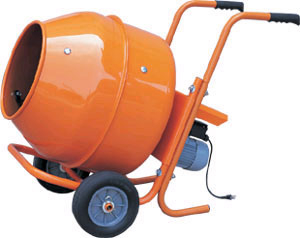
The size and capacity of a concrete mixer are directly related to its price. Small mixers typically have a capacity of 2 to 3 cubic feet, while larger mixers can handle 9 cubic feet or more. The greater the capacity, the higher the price. For example, small portable mixers are typically more affordable, while larger mixers used on construction sites can be significantly more expensive.
Mixer Type | Capacity | Price Range | Best For |
Small Portable Mixers | 2–3 cu ft | $150–$1,500 | DIY projects, small repairs |
Mid-Size Professional Mixers | 6–9 cu ft | $1,200–$3,500 | Contractors, larger projects |
Towable Mixers | 9–12 cu ft | $4,000–$8,000+ | Large jobs requiring mobility |
When selecting a mixer, consider the size of your project. A small DIY project requires a smaller, more affordable mixer, while large commercial jobs demand larger, more expensive models.
Concrete mixers come with different power options, including:
● Electric Mixers: These are quieter and easier to maintain, ideal for home use or areas with easy access to power.
● Gasoline Mixers: These mixers are more powerful, making them suitable for larger jobs or remote areas without electrical outlets.
● Diesel Mixers: The most powerful option, typically used for large-scale commercial projects.
Note: D&J offers both electric and engine-powered options to accommodate various working conditions, enhancing versatility and efficiency.
The materials used in constructing a concrete mixer affect both its price and durability. High-quality mixers are made from steel or stainless steel, which can handle the rigors of frequent use. The better the materials, the longer the mixer will last, which can save you money in the long run by reducing the need for replacements.
Small-scale mixers are perfect for home use or small DIY projects. These typically include handheld and portable drum mixers. Prices for these mixers range from $26 to $1,500, depending on the size and power source.
For example:
● Handheld Electric Mixers: These are affordable options for small repairs and light mixing, costing between $26 and $150.
● Small Portable Drum Mixers: Typically priced between $350 and $1,500, these are suitable for jobs like garden paths or sidewalks.
For contractors or DIYers with larger projects, mid-size mixers offer a balance between affordability and power. These mixers typically have a capacity between 6 to 9 cubic feet and are priced between $1,200 and $3,500. Mid-size mixers are ideal for larger residential jobs or regular use.
These mixers are designed for larger commercial projects and can be moved easily around job sites. Prices range from $4,000 to $8,000 for towable mixers. For truck-mounted mixers, the prices start at $40,000 and can go up to $200,000 depending on the model and features. These mixers are suitable for high-volume concrete production and large-scale projects.
The size and frequency of your concrete projects will determine the type of mixer you need. Small-scale mixers are perfect for occasional DIY tasks, where you only need to mix small batches. Larger mixers, on the other hand, are designed for more frequent, heavy-duty use, such as commercial or construction projects. Understanding the scale of your work helps you avoid overspending on a larger mixer if it's unnecessary for your needs.
Consider how often you'll need to move the mixer. Portable mixers are easy to transport and are ideal for small, short-term projects, especially in tight spaces or for home improvement tasks. If your project requires a stationary mixer for ongoing work, or if you need a higher output with greater mixing capacity, stationary or towable models might be more suitable. Towable mixers, in particular, offer mobility with the convenience of larger capacity.
When budgeting for a concrete mixer, it’s important to factor in not just the initial purchase cost but also ongoing expenses like maintenance, fuel (for engine-powered mixers), and repairs. Additionally, look for mixers that come with good warranties and customer support to avoid unexpected costs down the line. Some models might have higher upfront costs but offer long-term savings in terms of durability and efficiency, reducing maintenance and operational expenses.
Used mixers can be significantly cheaper, sometimes costing 30-70% less than new models. However, it's essential to thoroughly inspect used mixers for signs of wear and tear, especially in critical parts like the drum and hydraulic systems. If buying new, ensure the mixer comes with a warranty and reliable support. New mixers offer peace of mind and are less likely to require immediate repairs, making them a safer investment in the long term.
Factor | Considerations |
Project’s Scale and Frequency | Small mixers for DIY tasks; larger for frequent, heavy use. |
Portability vs. Stationary Needs | Portable mixers for mobility; stationary for higher output. |
Budgeting for a Concrete Mixer | Factor in purchase cost, maintenance, fuel, and repairs. |
New vs. Used Mixers | Used mixers offer savings; ensure to check for wear and warranty. |
Prices for concrete mixers can vary significantly depending on your location. Factors like local demand, shipping costs, and the availability of different models will influence the final price. In certain regions, larger commercial mixers may be more expensive due to higher transportation costs. Additionally, local manufacturers may offer better pricing than international suppliers, especially if shipping fees are involved.
Tip: Shop around and get quotes from multiple suppliers. Consider delivery charges and import fees if buying internationally.
When purchasing a concrete mixer, it’s essential to compare prices from various local and online suppliers. Be sure to check for additional costs, such as delivery, assembly, or installation fees, that may affect your budget. Some suppliers also offer discounts for bulk purchases, which can be especially helpful for contractors or businesses looking to buy multiple units. It's worth negotiating with suppliers to get the best deal.
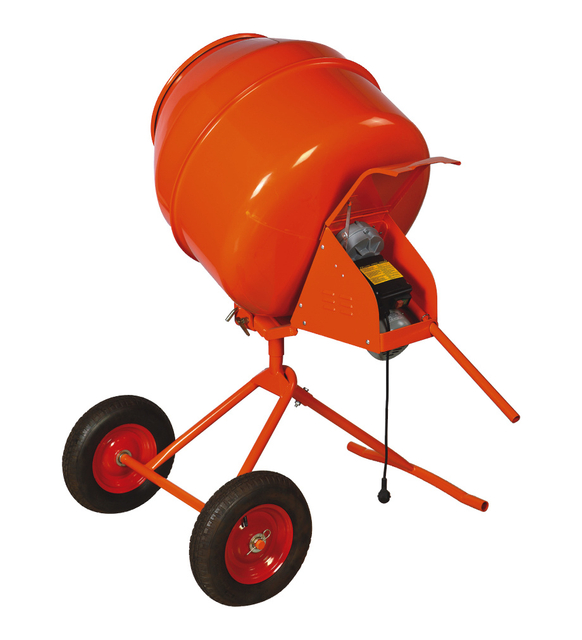
Don’t overspend on features you don’t need. Choose a concrete mixer based on the size of your project and how often you plan to use it. For occasional use, a smaller, more affordable model will suffice. On the other hand, if you're working on larger projects or need a mixer for regular use, investing in a higher-capacity model will be more efficient in the long run.
A cheaper mixer might seem appealing at first, but it’s important to consider the long-term costs. Will it require frequent repairs? How much fuel will it consume? A high-quality mixer might cost more initially, but it will save you money over time by reducing maintenance needs and improving efficiency. Think about its durability and the cost of upkeep to make a more economical choice in the long run.
Always compare prices and offers from multiple suppliers. Look for deals that include warranties, after-sale service, and delivery options. These factors can add significant value to your purchase, ensuring that you get the best deal possible. Many suppliers also offer promotional discounts or package deals, so it’s worth exploring all options before making a final decision.
Concrete mixers vary in size, power, and price. Understanding these factors helps you make an informed decision, whether you're a DIYer or a contractor. Small mixers are ideal for DIY projects, while larger towable mixers are better suited for commercial jobs. Consider factors like capacity, power source, and material quality, as well as ongoing costs like maintenance and fuel. D&J International (H.K) Limited offers durable, efficient mixers tailored to both DIY and commercial needs. By assessing your project requirements and budget, you can choose the right concrete mixer for the job.
A: The cost of a concrete mixer varies widely depending on the size, power source, and intended use. Small mixers for DIY projects typically cost between $150 and $1,500, while larger mixers can range from $1,200 to $8,000 or more for commercial use.
A: The price of a concrete mixer is influenced by its size, power source (electric, gasoline, or diesel), capacity, and material quality. Larger mixers with higher capacity and durable materials like stainless steel tend to be more expensive.
A: While small concrete mixers are ideal for DIY projects or small repairs, they may not handle large projects efficiently. For larger tasks, a mid-size or towable concrete mixer would be more suitable.
A: A concrete mixer ensures a consistent and efficient mix of concrete, saving time and effort compared to manual mixing. It is especially useful for large projects and ensures the quality of the concrete mix.
A: Consider the scale of your project, the mixer’s capacity, power source, and mobility. For small DIY projects, a portable or small drum mixer works well, while larger commercial projects require a towable or truck-mounted mixer.
A: If your budget allows, a new concrete mixer is ideal as it comes with a warranty and fewer maintenance needs. However, used mixers can offer significant savings, but it’s essential to inspect them for wear and tear before purchasing.